Solo Retreat for Burnout: What Actually Happens When You Go Alone
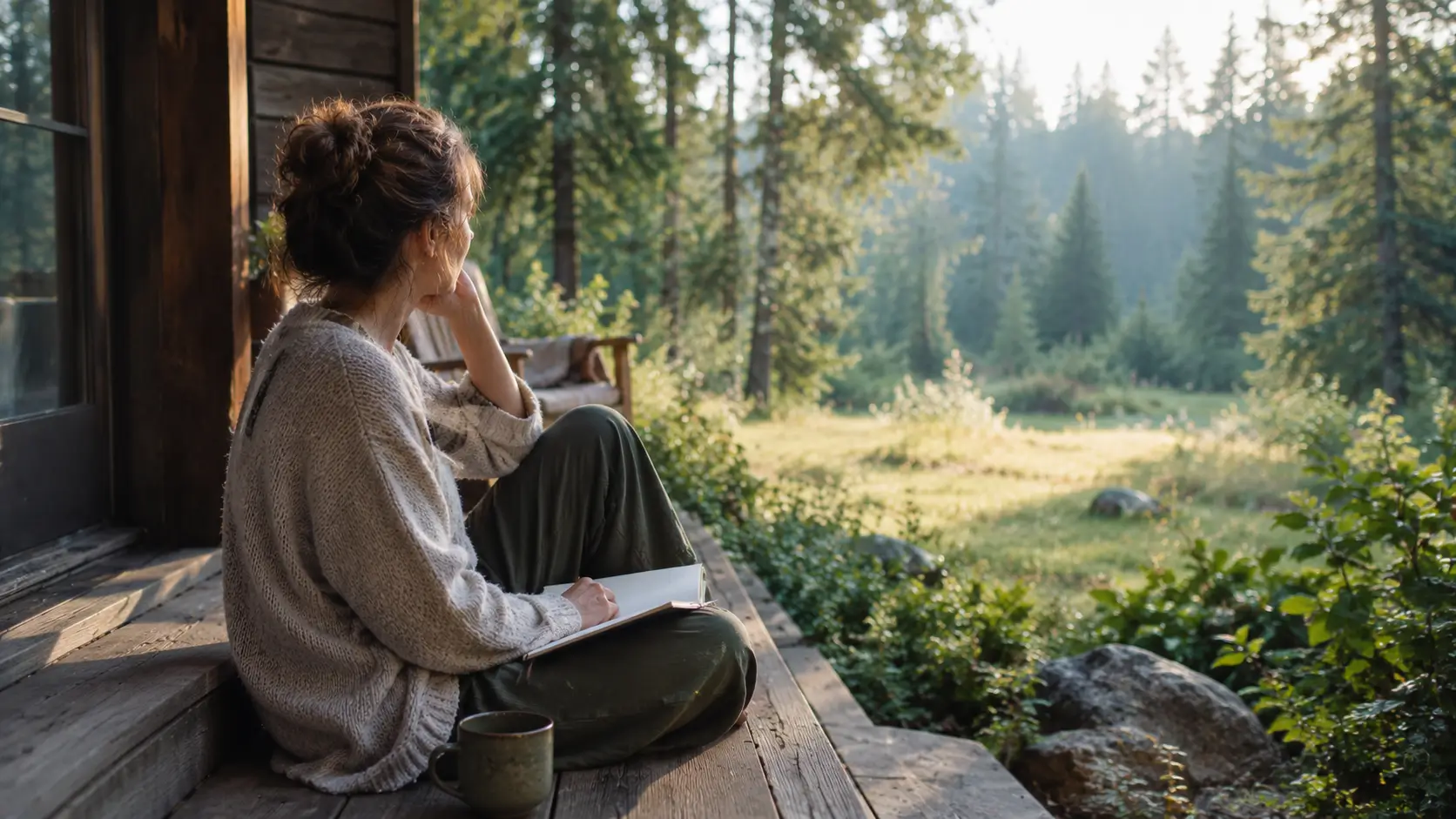
Group retreats fill your day with activities. A solo retreat does the opposite, on purpose. Here's what the actual research says about whether that difference matters for burnout, and when going alone isn't the right call.
Open almost any retreat brochure and you'll find the same shape: 7am yoga, breakfast, a workshop, lunch, a hike, an evening circle. It's built like a vacation with better branding, structured, social, full.
For a lot of people, that works. For someone actually burned out, it can quietly make things worse. Burnout isn't a lack of activities. It's depletion from too many demands for too long. Handing a depleted person a packed itinerary and calling it recovery is like handing someone with a sprained ankle a treadmill and calling it rest.
That's the real question behind "solo retreat for burnout": not whether solitude sounds nice, but whether removing the schedule, the group, and the performance of it entirely actually changes the outcome. It turns out there's real research on this, not just retreat marketing.
What Does the Research Actually Say About Time Alone and Stress?
More than you'd expect, and it's more specific than "alone time is good for you."
A 2023 study out of the University of Reading, led by psychologist Netta Weinstein, tracked 178 adults over 35 for 21 days using daily diaries. People reported less stress and greater autonomy on days they spent more time alone, and the effect was cumulative, the more solitude across the full three weeks, the lower the stress and the higher the sense of autonomy by the end.
One detail matters more than the topline number: the benefit held only when solitude was chosen, not when it was forced by circumstance. That distinction is the whole ballgame for a burnout retreat specifically, since nobody books a retreat against their will.
The mechanism behind this isn't vague either. Researchers Thuy-vy Nguyen, Richard Ryan, and Edward Deci at the University of Rochester found that solitude produces what they call a deactivation effect, it lowers high-arousal emotional states like anxiety and excitement, and raises low-arousal states like calm.
Critically, this effect showed up when people were alone, and did not show up when another person was present, even a quiet, uninvolved one. Being physically near other people, even without talking, appears to keep part of the nervous system in a slightly activated state.
Is There Actual Physical Evidence Solitude Helps You Recover, Not Just Feel Better?
Yes, and this is the part most retreat marketing never mentions. A 2026 study on parents found that on days with more "positive solitude," time alone by choice, negative mood was lower, and cortisol slopes were steeper, meaning the stress hormone dropped off faster over the course of the day.
That's a measurable physiological recovery pattern, not a self-reported mood score. If your burnout includes the physical layer, poor sleep, that low-grade wired-but-tired feeling, this is the more relevant evidence than a general wellness claim.
Solo Retreat vs Group Retreat for Burnout: What's the Actual Difference?
The difference isn't really "alone" versus "with people." It's unstructured versus structured, and self-directed versus performed.
A group retreat, even a good one, comes with a version of social performance. You're expected to show up to sessions, engage in the circle, have something to say. For someone already depleted, that expectation, however gently delivered, is still a demand on a limited resource. A solo retreat for nervous system reset removes that demand entirely. There's no one to perform recovery for. You rest when you're tired, not when the schedule says it's rest time.
This doesn't make group retreats worse across the board. Community and shared processing genuinely help some people, particularly with grief or a major life transition where connection is the actual medicine.
But for burnout specifically, where the core problem is often too many demands on your attention and energy, adding a new set of social demands, even friendly ones, can work against the goal rather than for it. What actually helps burnout recovery last goes further into this distinction.
Can a Solo Retreat Actually Help, or Is It Just Isolation With Better Branding?
This is the honest tension worth sitting with before booking. The research above is clear that solitude helps, but only when it's chosen and combined with genuine restorative activity, not when it's just being alone with nothing to hold you.
A private burnout retreat with no group activities works when it still includes structure you actually choose, walks, journaling, simple movement, quiet meals, not just an empty cabin and silence.
What makes it recovery rather than isolation is autonomy: you decide what happens each hour, but something is still happening. Complete unstructured isolation, especially for someone already struggling with disconnection, a known burnout symptom per the World Health Organization's own ICD-11 definition, can deepen the exact detachment burnout already causes rather than resolve it.
How Long Should a Solo Burnout Retreat Be?
Long enough to get past the first, hardest stretch. Most people spend the first day or two of any retreat, solo or group, simply decompressing from travel and the mental residue of whatever they just left. If a solo retreat ends right as that initial noise quiets down, it hasn't done much beyond a nice couple of days away.
Three to five days tends to be the realistic minimum for a solo retreat to matter. Longer isn't automatically better, since the research above found no universal "right" amount of solitude, what matters more than length is whether the time is genuinely restorative or starts tipping into isolation, which is a personal threshold, not a fixed number of days.
What Do You Actually Do on a Solo Retreat for Burnout?
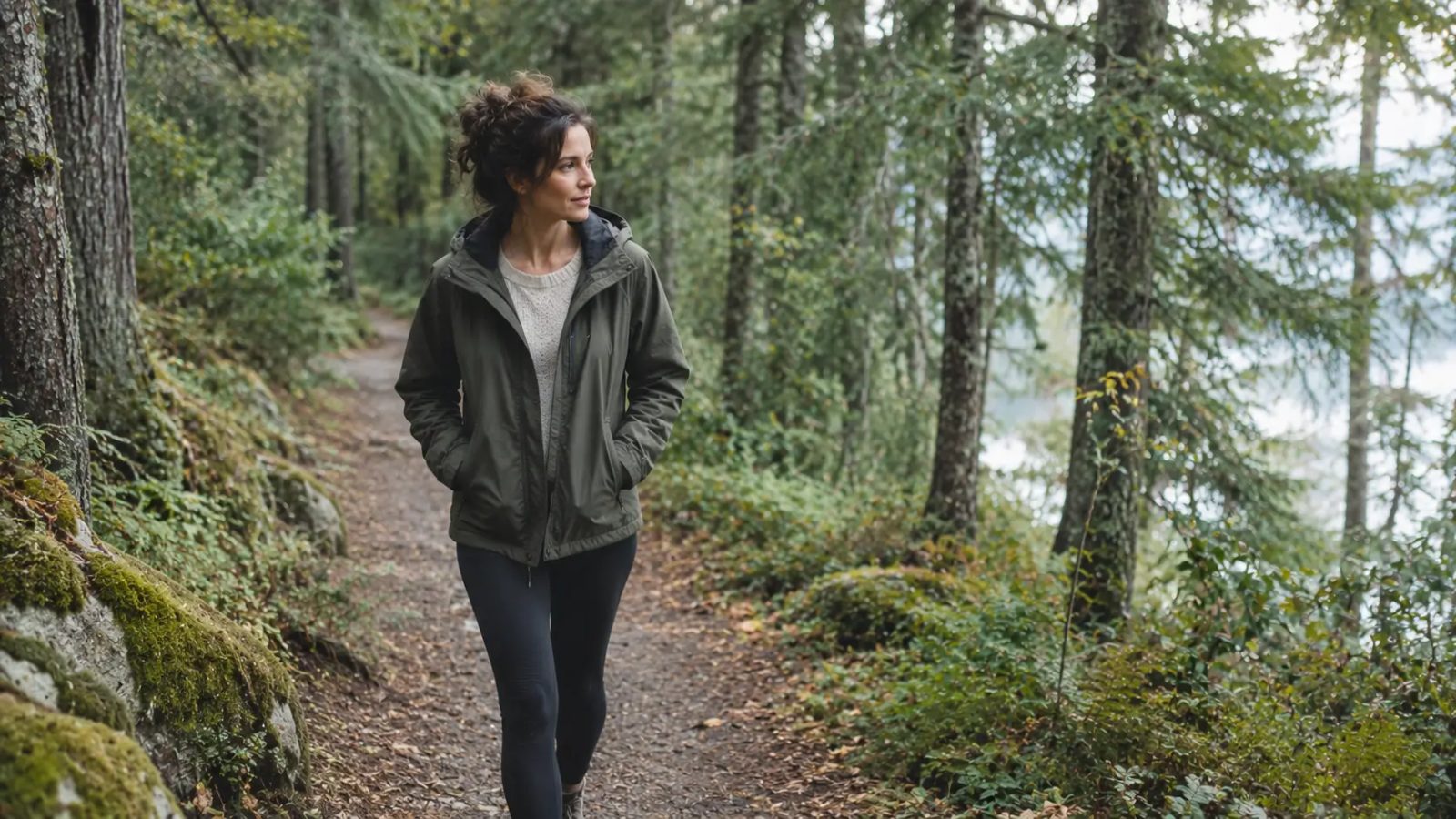
Less than you'd think, by design. A well-built solo retreat for burnout recovery typically includes:
Simple, self-paced movement, walking, gentle stretching, nothing performance-based
Journaling or unstructured reflection time, with no prompt requiring you to share it
Time in nature without a destination or itinerary attached to it
A genuine digital detox window, not just "less phone," but defined offline hours
Optional, not mandatory, wellness add-ons you can take or leave each day
What it deliberately excludes matters just as much: no group sessions, no scheduled socializing, no requirement to explain yourself to anyone.
How Much Does a Solo Retreat for Burnout Cost?
Pricing in this category varies more than group retreats, since you're often paying for privacy and space rather than programming. Private, single-occupancy retreats built specifically for burnout recovery commonly start around $2,000 for a minimum multi-day stay, with cost rising based on location, length, and how much guided support is included versus left optional.
Is a Solo Retreat for Burnout Different From Just Staying Home Alone?
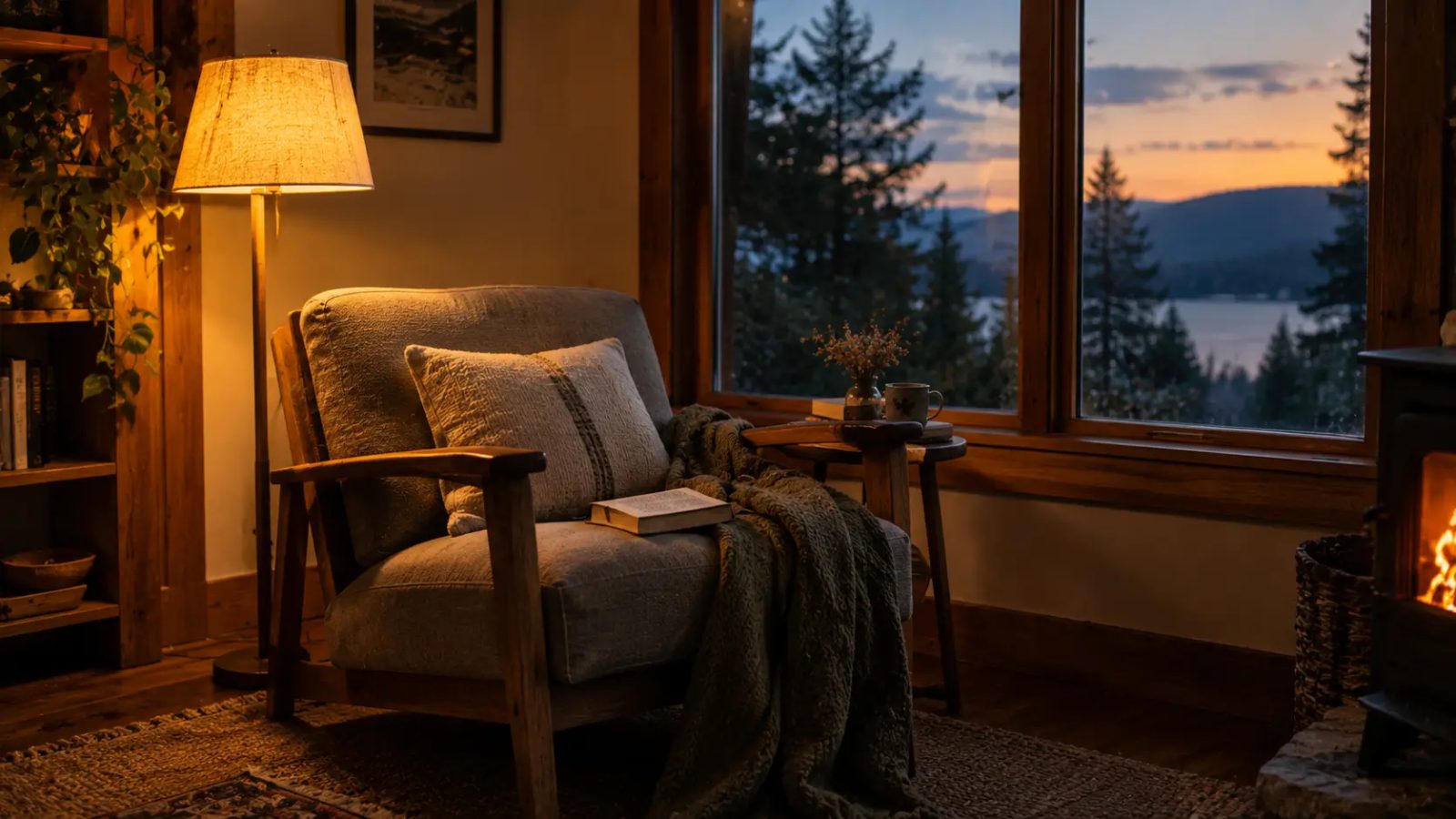
Yes, and this is worth being honest about before spending money on one. Home comes pre-loaded with cues, the same chair, the same to-do list within eyesight, the same context your nervous system has already linked to stress. A retreat setting, even a very simple one, removes those specific cues.
That's not about luxury, it's about context. The same reason people can't fully unwind on a "staycation" is the reason a change of physical environment, even a modest one, tends to outperform solitude at home for actual recovery. This is also part of why vacation benefits fade so fast once you're back home, the environment matters more than people expect.
Is a Solo Retreat Right for You Specifically?
It's probably a strong fit if:
You feel drained by social performance more than by being physically tired
You already know what restores you and just need space to do it without an audience
Your burnout includes a strong urge to disappear from everyone's expectations for a while
You're someone who finds group settings, even supportive ones, subtly exhausting
It's probably not the right first step if:
Isolation and disconnection are already major symptoms of what you're feeling, per the WHO's own burnout criteria
You've never spent extended time alone and are unsure how you'll respond to it
What you actually need is shared processing, grief work or a major life transition often benefits more from group support than solitude
You're in crisis or need clinical support rather than a retreat setting
Verified Retreats You Can Attend Solo Right Now
None of Verified Retreats' current listings are private, solo-only retreats in the strict sense described above. They're group settings. But solo attendance is welcomed and common at all of them, which is a different, more accessible middle ground worth knowing about.
The Embodied Woman, Tulum, Mexico, explicitly built for this. Most women who book come alone, and every practice is optional, so you're never required to share more than feels right. Tagged for burnout recovery and life transitions.
The Gratitude Retreat, Ibiza, Spain, a smaller-scale option also tagged for burnout recovery, with daily yoga and community-focused evenings rather than a packed itinerary.
The Butterfly Effect, North Bali, Indonesia, and the 7-Day Women's Reset Retreat, also in Bali, both built around burnout and identity work, with small groups sized to make solo attendance comfortable.
Medicine Maker Retreat, Putumayo, Colombia, a different kind of work entirely, grief-focused rather than burnout-focused, but included here since solo attendance is the norm and integration support runs 90 days.
If a fully private, solo-structured retreat is specifically what you're after, browse the solo reset category as more retreats are verified and added. For burnout specifically, the burnout category covers all of the above and more.
Why Does This Matter More for Women Specifically Right Now?
Gallup's 2026 workplace data found 31% of women report frequent burnout, compared to 23% of men, a gap that widens further in leadership roles. Much of that load is social by nature, managing everyone else's needs, performing composure, being available.
A solo retreat for women recovering from burnout addresses that specific pattern directly: it's the one block of time with zero social performance required of you, no one to manage, reassure, or perform recovery for.
That's also why a solo retreat after a divorce or another major life change resonates for so many women specifically, it's often the first extended stretch of time with no one else's needs in the room.
Frequently asked
Can a solo retreat actually help with burnout, or is it just a nice break?
Real research supports more than "nice break." Studies on chosen solitude show measurable reductions in stress and, in at least one study, faster physiological stress recovery via cortisol patterns, not just improved mood in the moment.
Is it safe to go on a solo retreat when you're already burned out?
For most people, yes, especially with some light structure built in (movement, journaling, nature time). It's worth more caution if isolation and disconnection are already strong symptoms of your burnout, in that case, a supported or small-group setting may be a better starting point.
Is a solo retreat lonely, or is it actually restorative?
Research shows it depends almost entirely on whether the solitude is chosen. Freely chosen alone time is consistently linked to lower stress; solitude that feels forced or empty does not carry the same benefit.
How long should a solo burnout retreat be?
Three to five days is a realistic minimum, long enough to get past initial decompression from daily life. There's no universal "ideal" length, what matters more is whether the time still feels restorative rather than isolating as it goes on.
What's the actual difference between a solo retreat and just staying home alone for a few days?
Environment and cues. Home is full of reminders tied to your usual stress, the same desk, the same task list in view. A retreat setting removes that context, which tends to matter more for recovery than people expect.