Wellness Retreat vs Vacation: Why One Fades Faster Than the Other
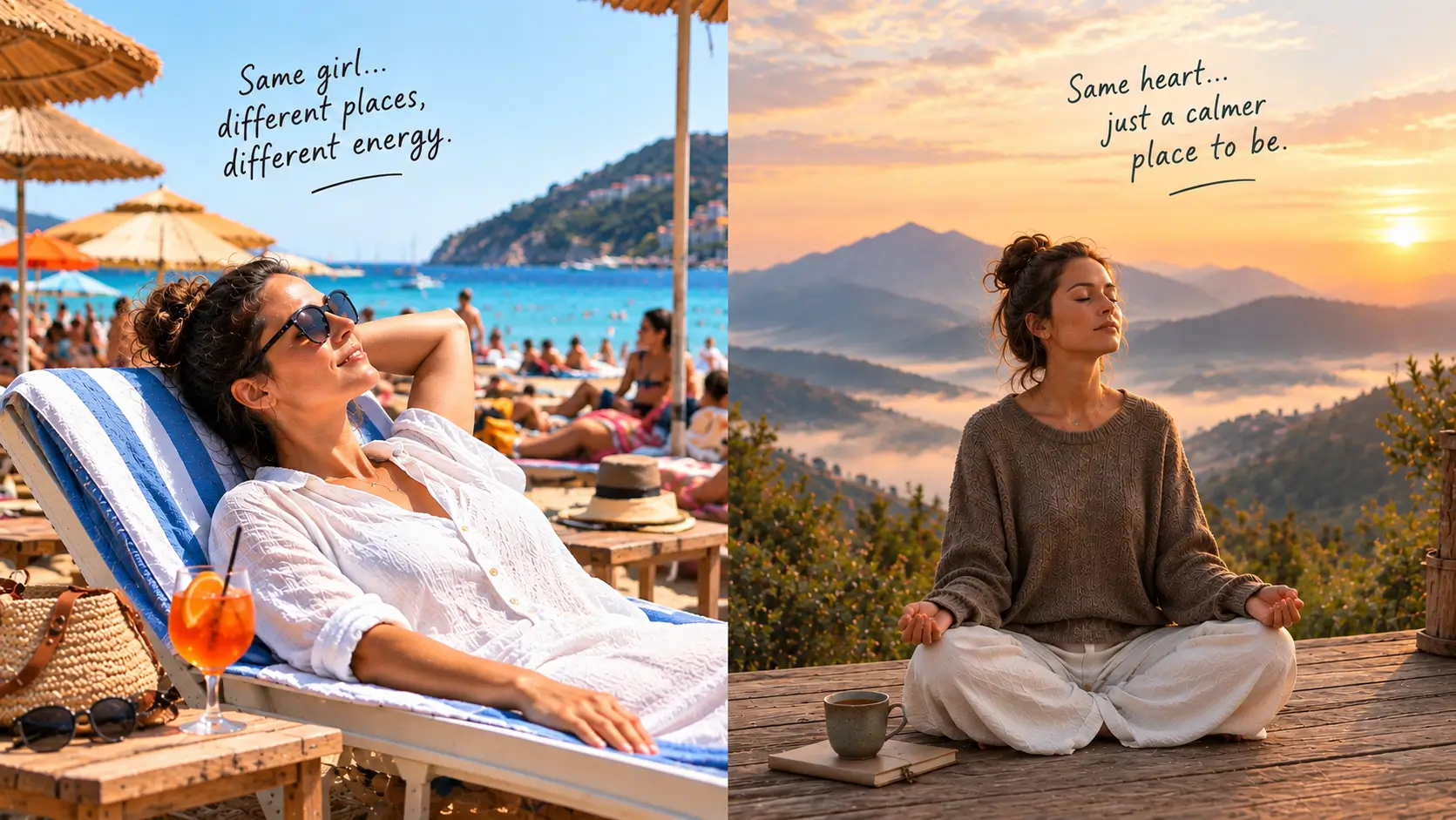
A vacation and a wellness retreat aren't the same tool for the same job. This guide breaks down what the research actually shows about why one fades within days and the other doesn't, and how to know which one you actually need.
What's Actually the Difference Between a Wellness Retreat and a Vacation?
Most articles answer this with a list of adjectives: retreats are "intentional," vacations are "fun." That's not wrong, but it skips the actual mechanism.
A vacation removes you from your stressor for a while. A wellness retreat is built to change how you respond to that stressor once you're back in front of it. One is a change of scenery. The other is closer to training.
That distinction explains almost everything else in this comparison, so it's worth sitting with before getting into cost, timing, or which one is right for your specific situation.
Why Do You Feel Tired Again a Few Days After Vacation?
If you've ever come back from two weeks away only to feel completely flat by day three back at your desk, that's not a personal failure to relax properly. It's the norm, not the exception.
A 2023 meta-analysis published in European Psychologist reviewed the research on post-vacation wellbeing and found that improvements in how people felt largely disappeared within the first week of returning to work, with little measurable difference from their pre-vacation baseline after that. The vacation genuinely helps while it's happening. What it doesn't do, for most people, is change anything about the environment or habits that were draining them in the first place.
This is the honest answer to "how long does the benefit of a vacation actually last": usually, not very.
See what actually helps burnout recovery last longer →
Do Wellness Retreats Actually Work Better Than Vacations?
For a specific kind of problem, the evidence leans yes, though it's worth being precise about which problem.
Research from Massachusetts General Hospital, led by Harvard neuroscientist Sara Lazar, found that an eight-week mindfulness program produced measurable structural changes in the brain, including a reduction in amygdala activity tied to stress response. That's a slower timeline than a single retreat, but it points to something retreats are specifically designed to kickstart: teaching your nervous system a different pattern, rather than just giving it a break from the current one.
The World Health Organization's official definition of burnout includes three components: exhaustion, growing mental distance from your work, and reduced effectiveness. A retreat that's actually built around burnout recovery targets those three things directly, through structured rest, nervous-system practices, and distance from the identity of "the person who's always coping." A standard vacation usually addresses only the first one, and only temporarily.
Is a Wellness Retreat Worth It Compared to a Vacation?
This is really a cost-per-outcome question, not just a price comparison.
According to the Global Wellness Institute, international wellness travelers spent an average of $1,764 per trip in 2022, about 41% more than the typical international tourist. That's a real premium, and it's fair to ask whether it's justified.
The honest answer: it depends what you're buying. If the goal is a change of scenery and some downtime, a vacation at a lower price point does that job fine. If the goal is an actual shift in a pattern, chronic exhaustion, identity loss, burnout that rest alone hasn't touched, the premium is going toward structure, guidance, and a program specifically designed for that outcome, not just a nicer view. Wellness travelers spending more than the average tourist and still choosing to do it again suggests most people who try it feel it delivers on that.

Wellness Retreat vs Vacation for Burnout Recovery, Specifically
If burnout is the actual problem, this comparison isn't really close.
Burnout research consistently distinguishes it from ordinary tiredness. It's a slow accumulation, and per the McKinsey and LeanIn 2025 Women in the Workplace report, six in ten senior-level women report feeling it frequently, a notably higher rate than their male peers at the same level. A two-week beach trip interrupts the accumulation temporarily. It doesn't address the underlying pattern that caused it, which is why so many people come back from vacation and feel the exhaustion return within days.
A retreat built specifically around burnout recovery is structured differently on purpose: fewer activities, more repetition, real unstructured time, and practices aimed at your nervous system's baseline rather than at entertainment. That structural difference is the entire reason "wellness retreat vs vacation for burnout recovery" isn't really an apples-to-apples comparison, they're solving for different things.

How Good Is It to Book a Wellness Retreat?
Genuinely good, if it's actually structured around recovery rather than just relaxation for its own sake. The real benefit isn't the setting itself, it's what a slower pace and guided practice actually do to your body over several consecutive days.
Another major benefit is the focus on holistic health. Wellness retreats often incorporate a variety of practices that address physical, mental, and emotional well-being. This could include nutritional counseling, fitness classes, and workshops on stress management and emotional resilience. The comprehensive approach ensures that participants leave with a toolkit of strategies and habits they can incorporate into their daily lives. This holistic focus can lead to lasting changes, helping individuals to maintain a healthier and more balanced lifestyle long after the retreat has ended.
Community and connection are also significant benefits of wellness retreats. Participants often find themselves surrounded by like-minded individuals who are also seeking to improve their well-being. This sense of community can be incredibly supportive and encouraging. Many retreats foster a sense of connection through group activities and shared experiences, creating a supportive network that extends beyond the retreat itself. The bonds formed and the shared journey can be a powerful source of motivation and inspiration.

How Do You Know If You Need a Retreat Instead of a Vacation?
A few honest questions help clarify this faster than a pros-and-cons list:
Have you already tried taking time off, and did the tiredness come back within a week or two of returning?
Are you looking for fun and a change of scenery, or are you looking for something in your life to actually shift?
Do you want a loose, self-directed schedule, or would real structure and guidance help right now?
Is what you're feeling closer to "I need a break" or closer to "I don't know who I am outside of managing everything"?
If most of your answers point toward the second option in each pair, a retreat is likely to serve you better than a standard vacation right now. If they point toward the first, a good vacation is a completely legitimate and sufficient choice, not a lesser one.
Wellness Retreat vs Vacation for Women, Working Moms, and Solo Travellers
This comparison plays out a little differently depending on who's asking.
For women carrying a disproportionate share of both paid work and household load, a "vacation" often isn't actually restful, it just moves the labor to a different location: packing for the family, managing everyone else's experience, coming home to a full inbox and an emptier fridge. A wellness retreat built for women specifically removes that layer entirely, no one else's needs are on the itinerary.
For solo travelers specifically, a wellness retreat vs vacation decision often comes down to structure. A solo vacation can be wonderful, but it requires you to build your own plan and motivation each day. A retreat provides that structure by default, along with a built-in group of people also going it alone, which is often exactly what makes solo travel work for people who'd otherwise hesitate to book one at all.
How to Choose Between a Spa Vacation and a Wellness Retreat
These two get confused constantly, and the difference is really about depth versus breadth.
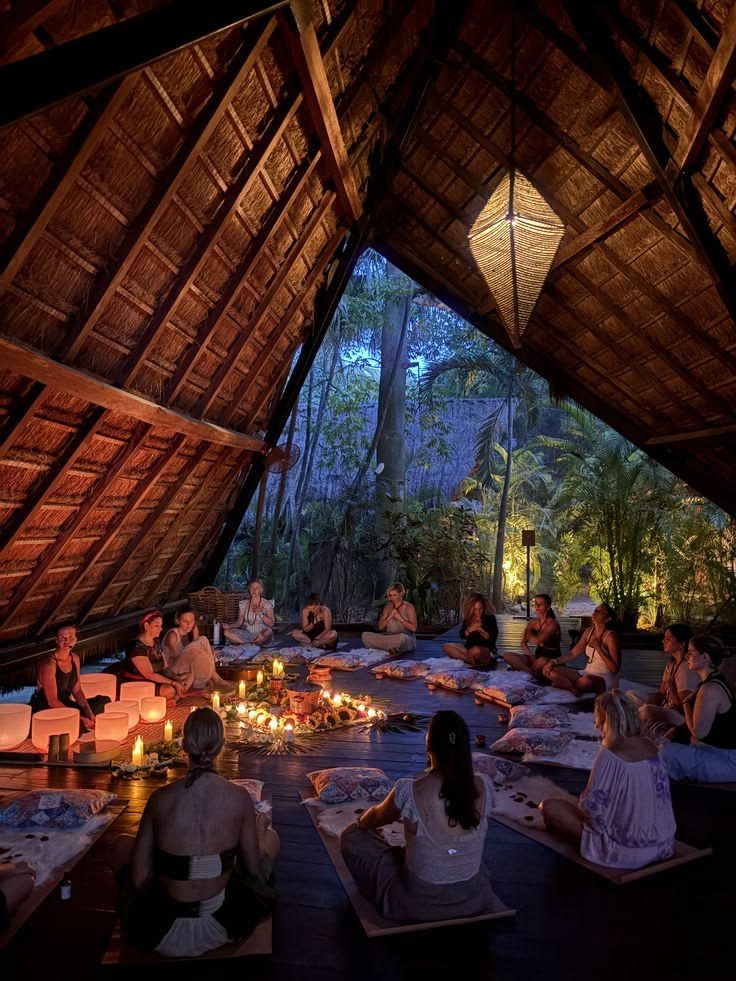
A spa vacation, a resort stay with treatments layered on top, is closer to a vacation than a retreat: enjoyable, restorative in the moment, but not built around a specific outcome or program. A wellness retreat has an actual structure behind it: a defined focus (burnout, transition, grief, reconnection), a schedule built around that focus, and usually a facilitator or host guiding the group through it, not just a menu of treatments to book individually.
If you want to relax and are indifferent to structure, a spa vacation is the simpler, often cheaper choice. If you want an actual outcome by the time you leave, look for a retreat with a defined program instead.

Physical Benefits: Wellness Retreats vs. Vacations
The physical benefits of wellness retreats and vacations can vary significantly, depending on the activities and focus of each experience. Wellness retreats often include a variety of physical activities designed to promote health and fitness. This could include yoga classes, fitness sessions, hiking, and other forms of exercise. The structured programs ensure that participants engage in regular physical activity, which can improve cardiovascular health, increase flexibility, and boost overall fitness levels.
In addition to physical exercise, wellness retreats often focus on nutrition and healthy eating. Many retreats offer nutritious, balanced meals that are designed to support overall health and well-being. Nutritional workshops and counseling can provide valuable insights and strategies for maintaining a healthy diet. The combination of physical activity and healthy eating can lead to significant improvements in physical health, including weight loss, increased energy levels, and improved digestion.
Vacations, on the other hand, can offer physical benefits in a more indirect way. The opportunity to relax and unwind can reduce stress levels, which has a positive impact on physical health. Lower stress levels can lead to improved sleep, better immune function, and reduced risk of chronic diseases. While vacations may not always include structured physical activities, the break from routine and the opportunity to engage in leisure activities can be beneficial for overall well-being. Whether it's swimming in the ocean, hiking in the mountains, or simply walking around a new city, the physical activity involved in a vacation can contribute to improved health and fitness.
What Actually Happens at a Wellness Retreat That Doesn't Happen on Vacation?
Wellness Retreat | Vacation | |
|---|---|---|
Structure | Defined daily program, built around a specific goal | Self-directed, flexible or no set plan |
Guidance | Facilitator or host leads sessions | No guide, you decide everything |
Focus | A specific outcome, like burnout recovery or a transition | General rest, fun, or exploration |
Group | Usually a small group with a shared reason for being there | Solo, family, friends, or partner, for any reason |
What you leave with | Practices and tools meant to continue at home | Memories and, usually, a short-term mood lift |
Neither column is "better" in the abstract. They're built for different outcomes, which is really the answer to the whole comparison.
It's also worth considering your current state of well-being and what you hope to achieve from the experience. If you're feeling overwhelmed and stressed, a wellness retreat may provide the structured support and relaxation you need. If you're feeling stuck in a rut and craving new experiences, a vacation may offer the excitement and inspiration you're looking for. Ultimately, the right choice depends on your individual needs, preferences, and goals.
Frequently asked
Is a wellness retreat better than a beach vacation for stress?
For temporary stress relief, both can help. For stress that's become chronic or is closer to burnout, a wellness retreat tends to be more effective, since it's structured specifically around changing your response to stress rather than just removing you from your environment for a week.
How long does the benefit of a vacation actually last?
Research reviewing multiple studies found that wellbeing improvements from a vacation largely fade within the first week of returning to work, with little measurable difference from pre-vacation levels after that.
What's the difference between a wellness retreat and a wellness resort?
A wellness retreat has a structured program built around a specific focus, with a facilitator guiding the group. A wellness resort typically offers wellness amenities, spa, yoga classes, healthy dining, without a required structure, so you can opt in or out of the wellness elements as you like.
Is it worth spending more on a wellness retreat than a vacation?
It depends on what you need. If you want a change of scenery and downtime, a vacation is usually the more cost-effective choice. If you're dealing with something that hasn't shifted despite rest, like burnout or a major life transition, the added cost of a structured retreat is typically going toward guidance and a specific outcome, not just a nicer setting.
Can a wellness retreat help with burnout if a vacation hasn't worked?
Yes, this is one of the more common reasons people try a retreat after a vacation didn't help. Since burnout is a pattern that builds up over time rather than simple tiredness, a retreat's structured, repeated practices are built to address that pattern directly, rather than just providing temporary distance from it.