Are Women-Only Retreats Actually Safe? Important Things to Know Before You Book
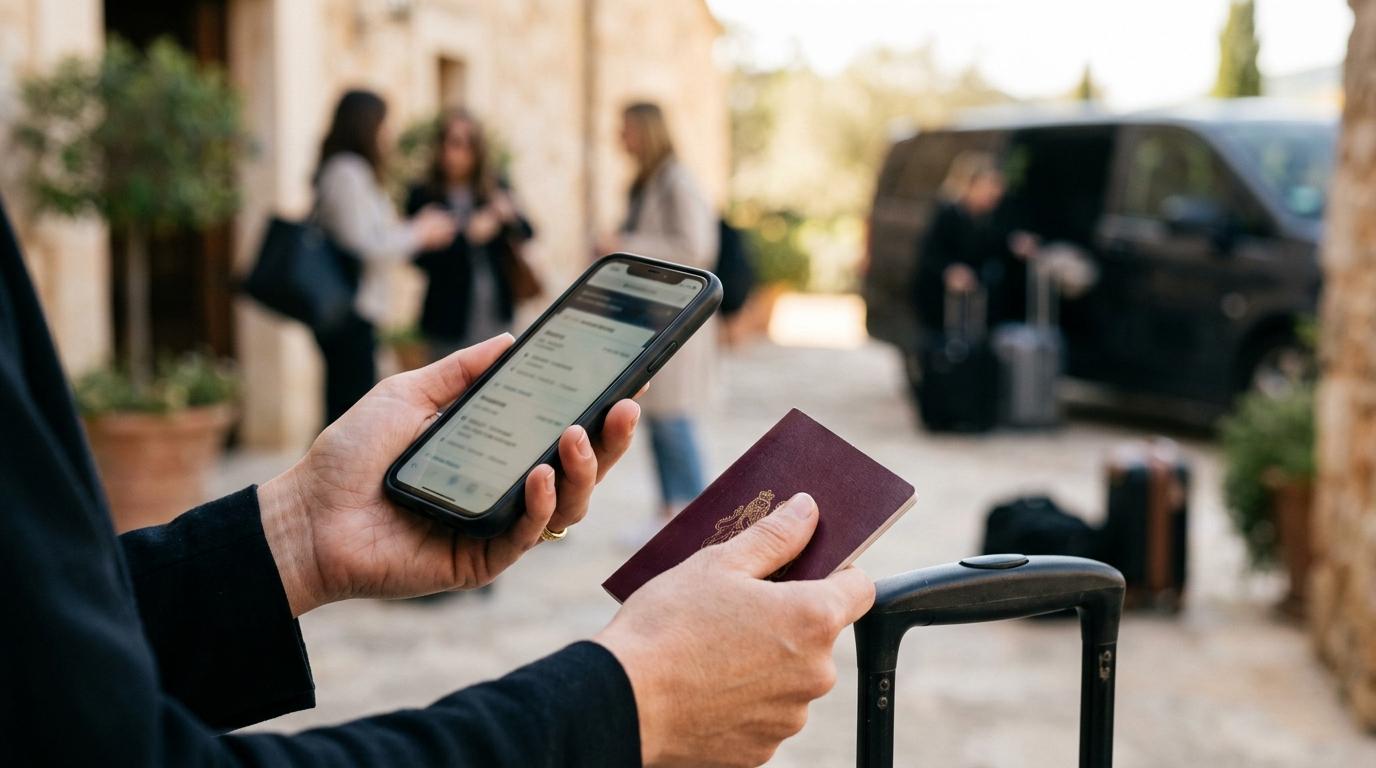
Women-only retreats are having a real moment, backed by real safety research, not just marketing. Here's what actually makes one safe, how to vet a host, and what's genuinely open to book right now.
Women-only retreats are no longer a niche corner of wellness travel. For many travelers, they are a practical way to combine rest, community, and a stronger sense of safety while away from home.
That matters because the safety question is real, not imagined. UN Women describes sexual harassment and violence in public spaces as an everyday occurrence for women and girls worldwide, and the World Health Organization treats violence against women as both a human rights issue and a public health problem. A 2014 Booking.com solo-travel survey found 72% of American women had embraced solo travel, with 59% of solo-travel enthusiasts planning to do so again within 12 months, numbers that more recent 2026 solo travel data suggests have only grown since.
Why Are Women-Only Retreats Becoming So Popular Right Now?
Women want travel, but many also want more control, more social support, and fewer avoidable risks. Women-only retreats sit at the intersection of wellness travel and confidence-building travel. They give solo travelers a pre-formed social setting, and they give groups a clearer shared context for conversation, movement, recovery, and rest, which matters especially if someone is booking after burnout, divorce, caregiving strain, grief, or a major life transition.
What Makes a Women-Only Retreat Feel Safe and Supportive?
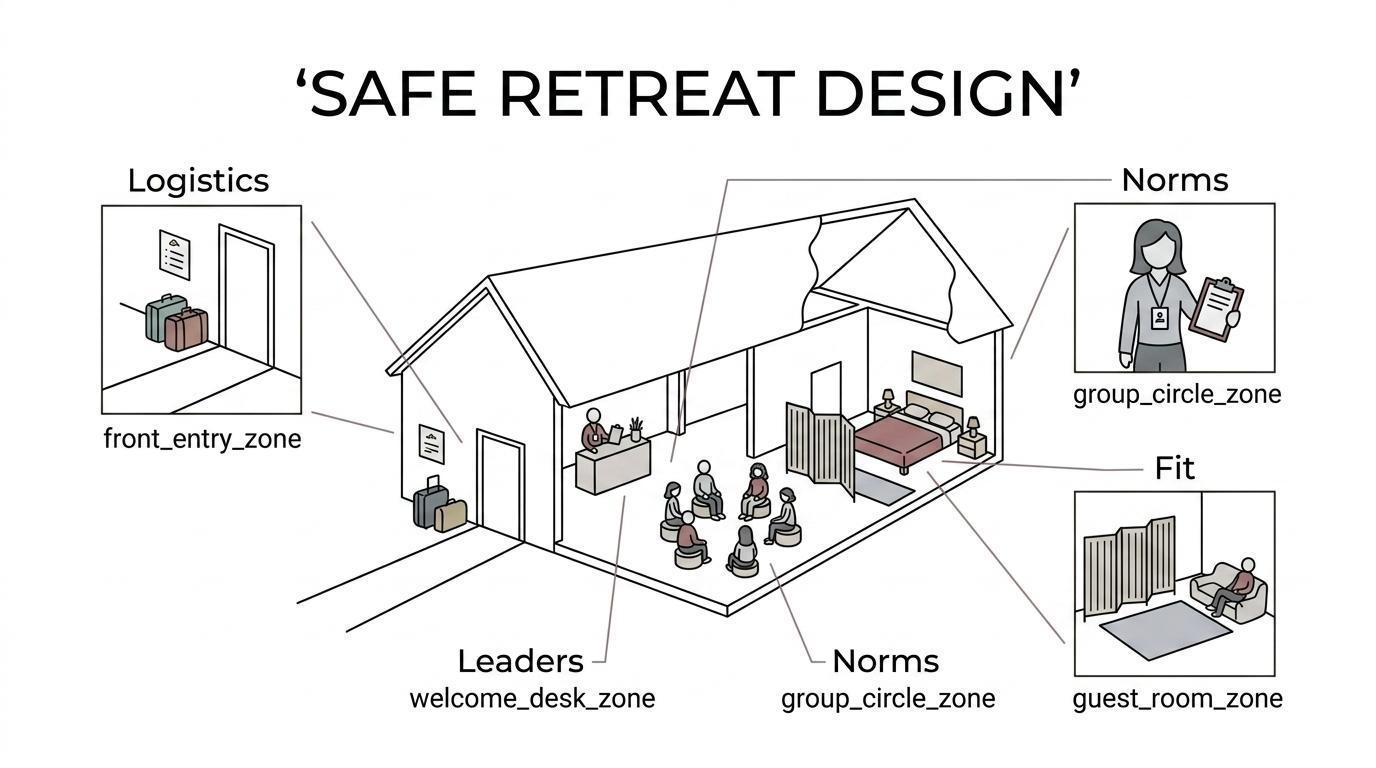
A strong women-only retreat usually combines clear logistics, vetted leaders, and real group norms. "Women-only" alone does not guarantee quality or safety. The best operators reduce uncertainty before arrival by sharing transport instructions, accommodation details, room configurations, staff bios, and emergency contacts, rather than leaving guests to figure it out on arrival.
Useful screening criteria include:
Physical safety: arrival logistics, room security, local transport clarity, emergency procedures
Social safety: respectful group norms, consent-aware facilitation, optional participation
Operational safety: verified customer reviews, practitioner credentials, responsive communication
Emotional fit: group size, retreat pace, activity intensity, privacy versus bonding time
"Verified Retreats checks reviews, credentials, and experience, then gets on a call with every retreat leader before listing."
If a retreat cannot explain who leads it, how guests arrive, or what support exists during the stay, that's a real signal, not a minor omission.
What Are the Real, Currently Bookable Women-Only Retreat Options?
Rather than a generic list of categories, here's what's actually verified and open right now, plus how to browse by the specific need that brought you here:
Currently open and verified:
The Butterfly Effect, North Bali, Indonesia, built around burnout recovery and life transitions through yoga, ritual, and sisterhood circles
Medicine Maker Retreat, Putumayo, Colombia, built around grief and loss, with medical screening and 90 days of post-retreat support
Browse by category, as new retreats are verified and added:
How Do Women-Only Retreats Compare With Co-Ed Wellness Retreats?
Women-only retreats usually offer more psychological ease, while co-ed retreats usually offer a wider social mix. Neither format is automatically better. If the main goal is relaxation, candid conversation, or rebuilding confidence as a solo traveler, women-only often works better because there's less social self-monitoring. If the main goal is a specific teacher or mixed social energy, a co-ed retreat may fit better, though group dynamics can be less predictable if facilitation is weak. Choose by format plus leader quality plus group structure, not format alone.
How Do You Choose the Right Women-Only Retreat, Step by Step?
Step 1: Decide the job the retreat needs to do. For nervous system recovery, choose lower stimulation and more downtime. For renewed confidence, choose skill-based activities and a clear group schedule.
Step 2: Set your non-negotiables, budget, flight time, room preference, dietary needs, activity level, and group size. If new to solo travel, prioritize airport transfer guidance over aspirational scenery.
Step 3: Screen for proof. Look for verified reviews, leader bios, and direct answers to practical questions rather than just attractive photography.
"Verified Retreats says every listed retreat is verified, and approval is not permanent because ongoing monitoring continues after listing."
A curated platform can cut decision fatigue because it narrows the field before you start comparing.
How Do You Vet a Retreat Host Before You Book?
Retreat leadership quality often predicts the whole experience more accurately than the property itself. Start with credentials and role clarity, check whether practitioners are named and whether relevant training is actually disclosed, rather than hiding behind vague language like "expert facilitators." Test responsiveness directly, ask about rooming, safety, transfers, and cancellation terms before paying. Check whether the retreat is monitored after listing, since a retreat can start strong and drift in quality over time. One glowing testimonial isn't enough, look for patterns across many.
Are Women-Only Retreats Good for Solo Travelers?
Yes. Booking.com's 2014 solo-travel research found 72% of American women surveyed had embraced solo travel, and a retreat adds a layer beyond digital confidence: built-in community at the destination itself. You don't need to invent your own itinerary or negotiate every meal and transfer independently, which is exactly the gap a good retreat fills.
Which destinations work best for women-only retreats?
The best destinations are usually the ones that reduce friction, not just the ones that look impressive online. Columbia, Portugal, Costa Rica, and Bali are common examples because they combine established wellness infrastructure with strong retreat demand.
For a first retreat, choose a place with straightforward airport access, stable transport options, and a retreat property that handles arrivals clearly. If the destination requires multiple transfers, late-night arrivals, or hard-to-verify local logistics, the retreat should offset that with excellent communication.
A common mistake is focusing only on the country. The retreat setup often matters more than the map pin. A well-run countryside retreat near a major airport can feel easier and safer than a glamorous but fragmented itinerary spread across several towns.
Which Destinations Work Best for Women-Only Retreats?
The best destinations reduce friction, not just look impressive online. For a first retreat, choose a place with straightforward airport access and stable transport. A well-run countryside retreat near a major airport can feel easier and safer than a glamorous itinerary spread across several towns with multiple transfers.
Is a Hosted Retreat Better Than Planning Your Own Wellness Trip?
If the goal is structure, accountability, and faster connection, a hosted retreat often wins, less planning load and decision fatigue, useful when mental bandwidth is already low. If the goal is total flexibility and private downtime, a self-planned trip can be better, but you carry all the planning and safety checks yourself.
How Should You Prepare for Solo Arrival at a Women-Only Retreat?
Confirm the boring details early: arrival window, transfer instructions, local SIM or roaming, and the exact property contact. Join any pre-arrival group chat or email thread, that single step often changes how supported the trip feels. Pack for the retreat actually booked, not the fantasy version, layers, reliable basics, and anything that helps you regulate, like a journal or eye mask. Decide in advance how social you want to be on day one, checking in, attending the welcome session, and speaking to two people is enough.
Frequently asked
How much does a women-only retreat cost?
Verified retreats currently range from around $2,200 to $2,300 for 7-8 days, generally inclusive of accommodation, meals, and daily sessions. Cost varies by length, location, and group size across the category.
What's the best women-only retreat for solo travelers right now?
Both currently verified retreats, The Butterfly Effect in Bali and Medicine Maker Retreat in Colombia, are built for solo attendance as the norm, with small group sizes designed to help solo travelers connect quickly.
Is a small-group retreat better for first-time retreat travelers?
Generally yes. Smaller groups mean more direct attention from facilitators and less pressure to perform recovery in front of strangers, which tends to make the first retreat experience feel more manageable.
Does a verified women-only retreat include airport transfer support?
It depends on the specific retreat, always confirm this directly before booking. Medicine Maker Retreat in Colombia, for example, includes two-way airport transfers as part of its package.
What's the best women-only retreat for burnout recovery specifically?
The Butterfly Effect in North Bali is currently the clearest match, tagged specifically for burnout recovery and life transitions, or browse the full burnout recovery category as more retreats are verified and added.
What questions should I ask before booking a women-only retreat?
Ask about arrival logistics, room setup, group size, cancellation terms, and whether the leader has a verifiable track record. Slow, vague, or defensive answers before payment rarely improve after booking.
What should I pack for a women-only retreat?
Comfortable, breathable layers for daily movement, a reusable water bottle, and anything that helps you personally regulate, a journal, eye mask, or medication plan. Avoid overpacking formal outfits for retreats built around ease rather than social performance.