Not All Wellness Retreats Are Created Equal: What Women Should Know Before Booking in 2027

After reviewing thousands of retreats, speaking with more than 4,000 women and working directly with over 200 retreat hosts, Verified Retreats founder Ania Donich shares what women should look beyond when choosing a wellness retreat.
There has never been more choice when it comes to wellness retreats. From yoga retreats in Bali and women's wellness escapes in Costa Rica to somatic healing experiences in Mexico and fitness retreats in Europe, there is seemingly something for everyone.
And yet, choosing the right retreat has become surprisingly difficult.
Spend a few minutes browsing online and you'll find beautiful villas, carefully curated itineraries, professional photography and promises of rest, reconnection and transformation. On the surface, many retreats look equally appealing. But what happens behind the photographs can be very different.
After reviewing thousands of retreats, speaking with more than 4,000 women and working with over 200 retreat hosts, I've come to realize something that fundamentally shaped why I started Verified Retreats: not all retreats marketed as wellness experiences are actually designed to deliver one.
And for women spending anywhere from $2,000 to $4,000 or more on a retreat, understanding that difference matters.
The wellness retreat industry has a surprisingly low barrier to entry
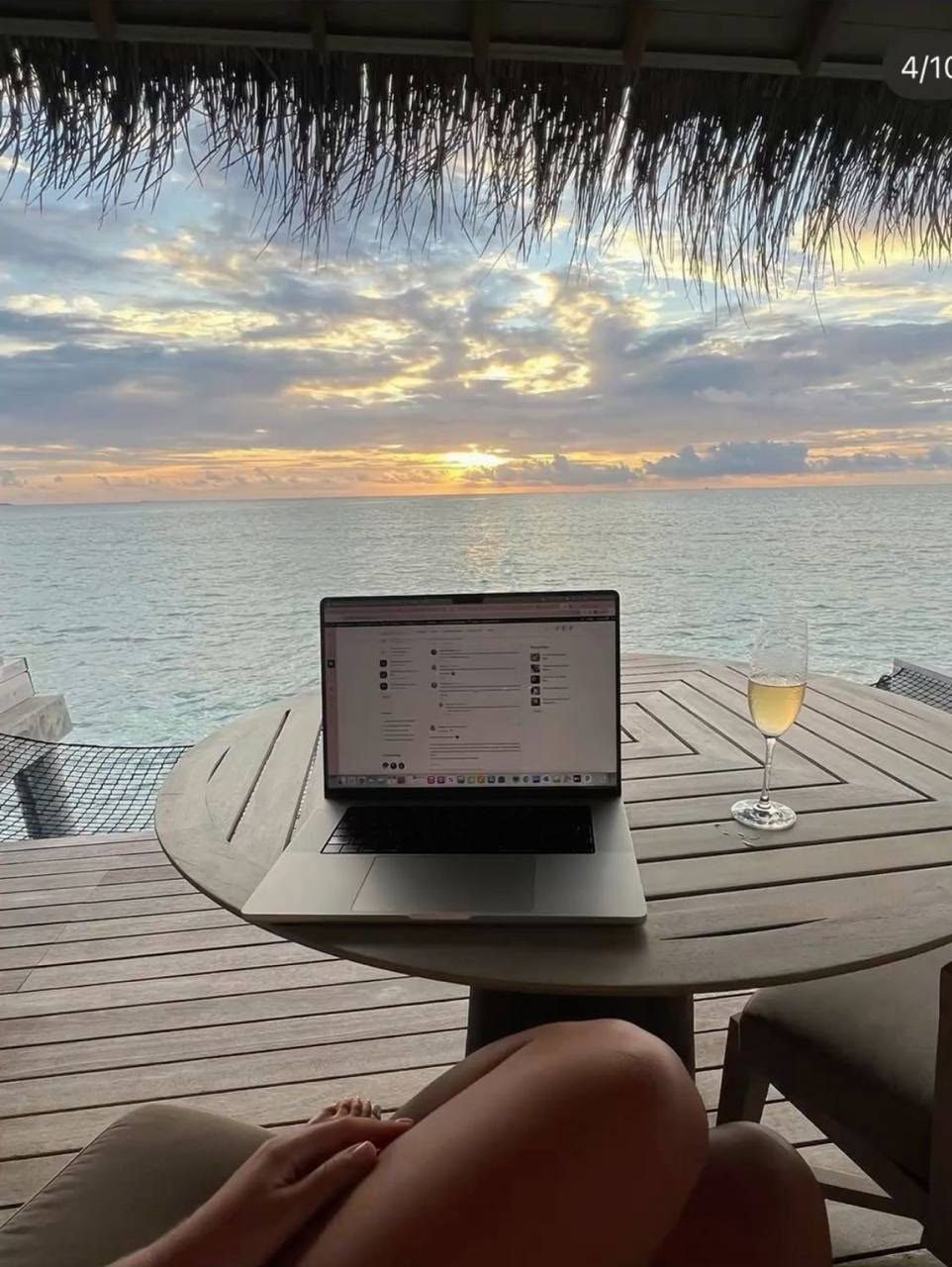
One of the things I've found interesting about the retreat industry is how relatively straightforward it can be to start organising one.
Someone can secure a beautiful villa, arrange a few activities, put together an itinerary, organise insurance and start marketing their retreat. With the right photographs and social media presence, they can begin attracting bookings.
There is nothing inherently wrong with organising a group holiday. In fact, there are people who do this exceptionally well.
The problem starts when an experience is marketed as something more than a holiday.
A wellness retreat carries a certain expectation. Women might be booking because they are exhausted, navigating a major life transition, feeling disconnected from themselves or simply looking for an opportunity to prioritise their wellbeing.
They aren't necessarily looking for another holiday with a few yoga classes added to the schedule.
They are trusting someone to create an experience that has been thoughtfully designed around their needs.
And that requires more than knowing how to organize accommodation and activities.
It requires an understanding of the experience being offered, relevant professional expertise, the ability to manage a group and, perhaps most importantly, a genuine commitment to the people attending.
I've encountered retreats where the organizer had no previous experience leading one. One particularly popular retreat in Thailand stood out to me. On the surface, it looked appealing and attracted considerable interest. But when I looked more closely, the itinerary felt much more like a holiday organized for a group of people than a thoughtfully designed wellness experience.
My concern wasn't that someone was organizing a holiday. It was that the experience was being presented as a wellness retreat without the background or programme design to support that positioning.
Popularity doesn't necessarily tell you whether a retreat is well designed, whether its facilitator is experienced or whether the women attending will receive the experience they were promised.
Being able to sell a retreat and being equipped to lead one are not the same thing.
A beautiful itinerary doesn't automatically make a wellness retreat

This is probably one of the biggest misconceptions I encounter.
A retreat can include morning yoga, meditation, healthy meals, massages, excursions and beautiful accommodation. Every activity might sound appealing individually. But that doesn't necessarily mean the overall programme has been thoughtfully designed.
What matters is why those activities are there in the first place.
Who are they intended for? What is the facilitator hoping participants will gain from them? How do the activities complement one another? Is there enough time to rest, reflect and enjoy the experience without feeling like you're following another demanding schedule?
Consider a woman who has been working long hours, managing family responsibilities and feeling completely depleted. She books a five-day retreat because she wants to slow down and recover some energy.
She arrives to find an itinerary packed with early morning activities, fitness sessions, workshops, excursions and group experiences, with very little time to herself.
Technically, every activity might fall under the wellness umbrella. But is that actually what she needs?
A well-designed retreat should consider the people it is intended to serve, rather than simply how many activities can be fitted into a week.
More isn't always better. Sometimes the most valuable part of a retreat is having the space to do very little.
This is also why I believe retreat programmes should have a clear purpose. A nutrition retreat, a yoga retreat, a fitness retreat and a retreat focused on personal rediscovery shouldn't all follow the same formula.
The programme should make sense for its intended audience, and the expertise of the people delivering it should match what is being offered.
The facilitator matters more than the destination

It's easy to become caught up in the destination when browsing wellness retreats.
Bali, Costa Rica, Ibiza, Greece and Mexico all have their appeal. Beautiful surroundings can certainly contribute to a wonderful experience.
But if I had to prioritise one thing when evaluating a retreat, it would be the person leading it.
Who is this person? What is their professional background? What experience do they have working with the particular activities they are offering? Have they led groups before? Do they understand the needs of the women they are inviting?
Qualifications matter, but they need to be relevant.
The question isn't whether every retreat leader needs a medical degree or a psychology qualification. The question is whether their training, experience and professional boundaries are appropriate for the experience they are selling.
A good facilitator should also understand the limits of their expertise and know when a participant might need support beyond what they can provide.
But there's another quality I look for that is harder to capture on a certificate: genuine care.
You can often see it in the way a retreat leader approaches their guests. Do they want to understand who is coming? Are they interested in what participants are hoping to get out of the experience? Do they consider individual needs rather than expecting everyone to fit into the same programme?
A retreat leader's attitude towards the women attending should be evident long before anyone arrives at the venue, and although I come across mostly excellent facilitators, sometimes I see ones who don't seem to care about their guests.
What happens after you book matters just as much as the retreat itself
Something I wish more women considered when choosing a retreat is what happens between paying their deposit and arriving at their destination.
The booking confirmation is not the end of the organiser's responsibility.
A thoughtful retreat leader should be interested in learning more about the people attending. They should make an effort to understand their expectations, ask about dietary requirements, physical limitations or other relevant needs, and provide guidance about what to expect.
If someone is travelling alone for the first time, they might need a little more reassurance. Someone with particular dietary requirements might need confirmation that their needs can be accommodated. Another participant might have questions about the intensity of the programme or whether certain activities are suitable for them.
These things shouldn't be an afterthought.
And the same consideration should continue throughout the retreat.
Are participants comfortable? Are activities being adapted when appropriate? Is the facilitator approachable? Does everyone feel that their individual needs have been considered?
You can have the most beautiful itinerary in the world, but if the person leading it isn't genuinely interested in the people attending, something important is missing.
Why the most beautiful destination isn't always the right retreat for you
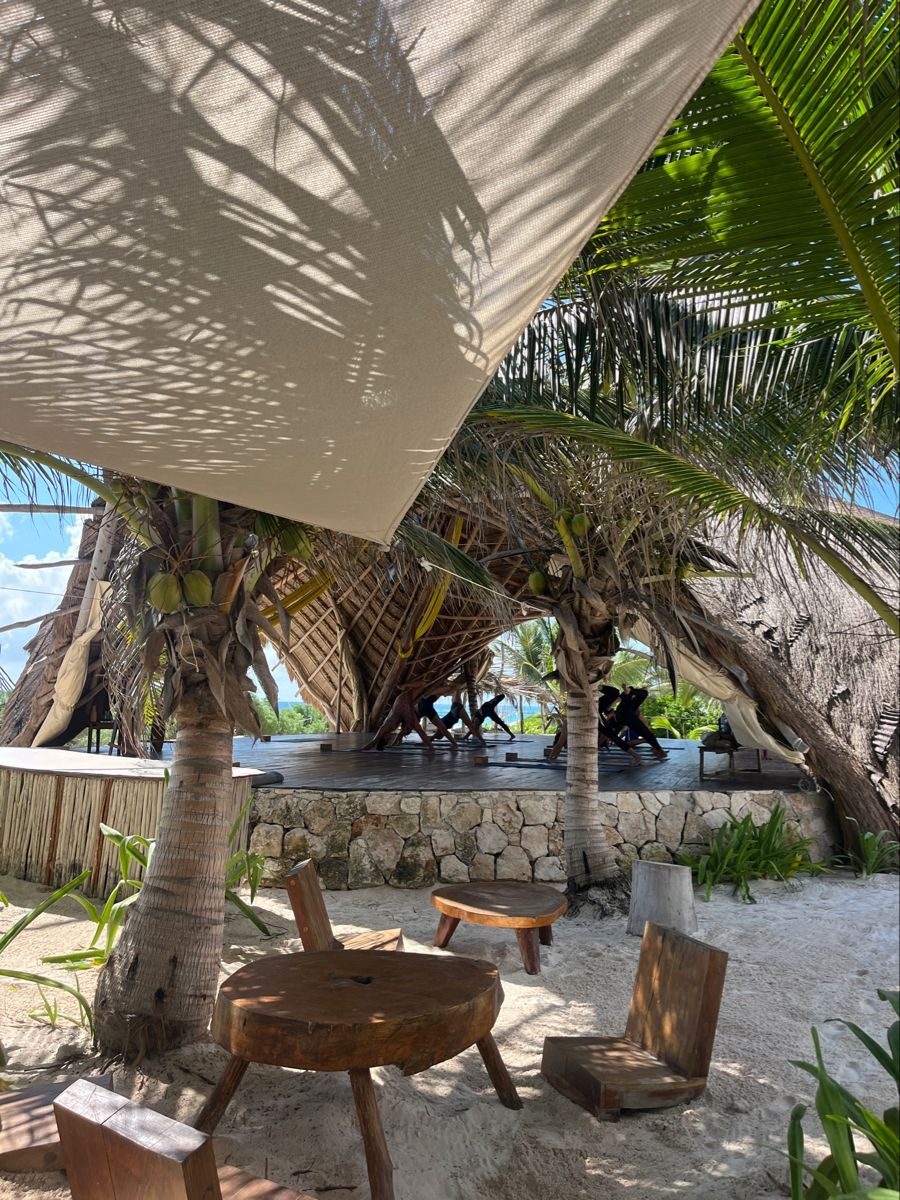
When women start looking for a retreat, many already have a destination in mind.
They might dream of visiting Ibiza, Bali or Costa Rica. They start searching for retreats in that location and narrow their options down based on photographs, accommodation, activities and price.
There's nothing wrong with having a destination preference. But I think the order of the decision-making process sometimes needs to change.
Before choosing where you want to go, consider what you actually want from the experience.
Are you looking to rest? Improve your physical wellbeing? Reconnect with yourself? Explore personal development? Spend time away from your usual responsibilities? Meet other women going through a similar stage of life?
The answer can completely change which retreat is right for you.
I remember speaking with a woman who initially wanted to travel to Ibiza. After having a conversation with her, it became clear that the experience she was looking for was more about rediscovering herself.
We discussed a retreat in Mexico instead. The facilitator had the relevant experience, and the itinerary had been designed specifically around that theme. It was a much better match for what the woman was hoping to get out of her time away.
Had we simply helped her find a retreat in Ibiza because that was her preferred destination, she might have ended up choosing an experience that looked appealing but wasn't particularly suited to her needs.
This is why I always encourage women to start with the experience they want, rather than the destination alone.
The risk of a retreat being cancelled shouldn't fall on the woman
There is another side of the industry that I believe deserves more attention: the responsibility retreat organizers have towards the women who book with them.
Some retreats are advertised before the organizer has established whether the experience is genuinely viable. They might be testing demand, hoping enough people will book before committing to the arrangements.
This creates a problem.
Imagine booking a retreat several months in advance. You've paid a deposit, arranged time off work, booked flights and started looking forward to the experience. Then you receive an email saying the retreat is cancelled because the organizer didn't attract enough participants.
The consequences are not insignificant.
You might have non-refundable travel expenses, limited opportunities to rearrange your holiday or simply the disappointment of having planned something important for yourself that is no longer happening.
This is one of the reasons we are particularly careful about which retreats we feature.
Before a retreat is presented as a bookable experience, there should be a realistic understanding of the minimum participant numbers, operational arrangements and what happens if those numbers aren't reached.
Clear cancellation and refund policies are essential.
The financial and operational risk of running a retreat should not casually be transferred to the woman booking it.
A retreat organiser is running a business. It is their responsibility to plan appropriately, communicate transparently and make sure participants understand the terms before committing.
7 things women should investigate before booking a wellness retreat in 2027
You don't need to become an industry expert to choose a good retreat. But there are some questions worth asking before spending thousands of dollars.
1. Who is actually leading the retreat?
Look beyond the organizer's website and social media photographs. Find out who will be facilitating the sessions, what their background is and how much experience they have working with groups.
2. Are their qualifications relevant to the activities?
A facilitator's experience should match the programme they are delivering. Don't assume that someone qualified in one wellness discipline is automatically qualified in another.
3. Is there a clear purpose behind the itinerary?
Ask why particular activities are included and who the programme is designed for. A thoughtfully designed retreat should have some coherence rather than simply combining popular wellness activities.
4. Is this retreat appropriate for what you currently need?
Think about your circumstances. If you're looking for rest, an intensive fitness retreat might not be the right choice. If you're interested in personal development, a holiday with occasional yoga sessions might not offer the experience you're looking for.
5. How does the organiser support participants before arrival?
Do they communicate with you personally? Are they interested in understanding your needs? Can they accommodate dietary requirements or other relevant considerations? Do they provide clear preparation guidance?
6. Are the practical arrangements transparent?
Understand exactly what is included in the price, where you'll be staying, what the accommodation is like, which activities are included and whether there are additional costs.
Check the cancellation and refund policy, too. Ask whether the retreat has confirmed its minimum participant numbers and what happens if it doesn't proceed.
7. Do you feel comfortable trusting this person?
This might sound subjective, but it's important. Pay attention to how the organiser responds to your questions. Are they transparent? Do they take your concerns seriously? Are they interested in finding out whether the retreat is actually right for you, or do they seem primarily interested in securing your booking?
What we look for when reviewing retreats at Verified Retreats
Verified Retreats was founded because I felt there was a real gap between the number of wellness retreats available and the information women needed to make confident booking decisions.
After speaking with thousands of women, I realized that interest wasn't the problem. Women wanted to go on retreats. Many simply didn't know which ones they could trust or how to determine which experience would actually suit them.
Our work involves looking beyond the photographs and marketing descriptions.
When reviewing retreat applications, we consider the facilitator's background, relevant qualifications and experience, insurance, accommodation, itinerary, programme suitability, operational arrangements and the safety considerations surrounding the experience.
We also look at how organizers communicate, whether the information they provide is consistent and whether the experience being advertised is supported by what they can demonstrate.
We don't accept every application.
If information isn't truthful, if we cannot establish the relevant experience or safety arrangements, or if an organizer hasn't made the necessary preparations to offer a reliable booking, we may decline to feature the retreat.
For us, verification isn't simply about checking whether a retreat exists. It's about considering whether we would feel comfortable recommending that experience to someone we care about.
A wellness retreat should be more than a beautiful place to visit
I genuinely believe the wellness retreat industry has enormous potential to do good. There are exceptional retreat leaders creating thoughtful experiences, bringing women together and giving them the opportunity to step away from their everyday lives.
But I also believe the industry needs to take the responsibility behind that work seriously.
A beautiful destination, a carefully curated itinerary and an attractive website are not enough on their own.
The person leading the experience matters. The programme matters. The way participants are treated matters. And the practical arrangements matter just as much.
If you're considering booking a wellness retreat in 2027, don't be afraid to ask questions. Look beyond the photographs, understand who is facilitating the experience and think carefully about whether the programme actually aligns with what you need.
You deserve to know what you're paying for.
And ultimately, the right retreat isn't necessarily the most expensive one, the most popular one or the one in the destination you've always dreamed of visiting.
It's the one that has been thoughtfully designed, responsibly organized and led by someone you can genuinely trust.
Because a wellness retreat should be about more than selling someone a week in a beautiful location. It should be about creating an experience that is genuinely worth their time, trust and investment.
Frequently asked
How do I know if a wellness retreat is legitimate?
Start by researching the person leading the retreat. Look at their relevant qualifications, professional experience and previous work with groups. Ask for clear information about the itinerary, accommodation, what's included in the price, insurance and cancellation policy. A professional-looking website or a large social media following does not automatically mean a retreat has been properly organised or verified.
What should I look for when booking a wellness retreat?
Look beyond the destination and photographs. Consider the facilitator's experience, whether their qualifications match the activities offered, how thoughtfully the programme has been designed, what support is available before and during the retreat, and whether the practical arrangements are transparent. Most importantly, consider whether the experience matches what you personally want from your time away.
Do wellness retreat leaders need qualifications?
There is no single qualification required for every type of wellness retreat. However, the facilitator should have relevant training and experience for the activities they deliver. For example, someone qualified in nutrition should not automatically be considered qualified to lead trauma-related practices or provide mental health support. The expertise should match the promises and activities being advertised.
Are expensive wellness retreats better?
Not necessarily. A higher price can reflect the destination, accommodation, group size, facilities or services included, but it does not automatically indicate better facilitation or programme quality. Before booking, look at what is actually included and who is responsible for delivering the experience.