Ayahuasca Retreat in Colombia: A Closer Look at MahaDevi's Medicine Maker Retreat
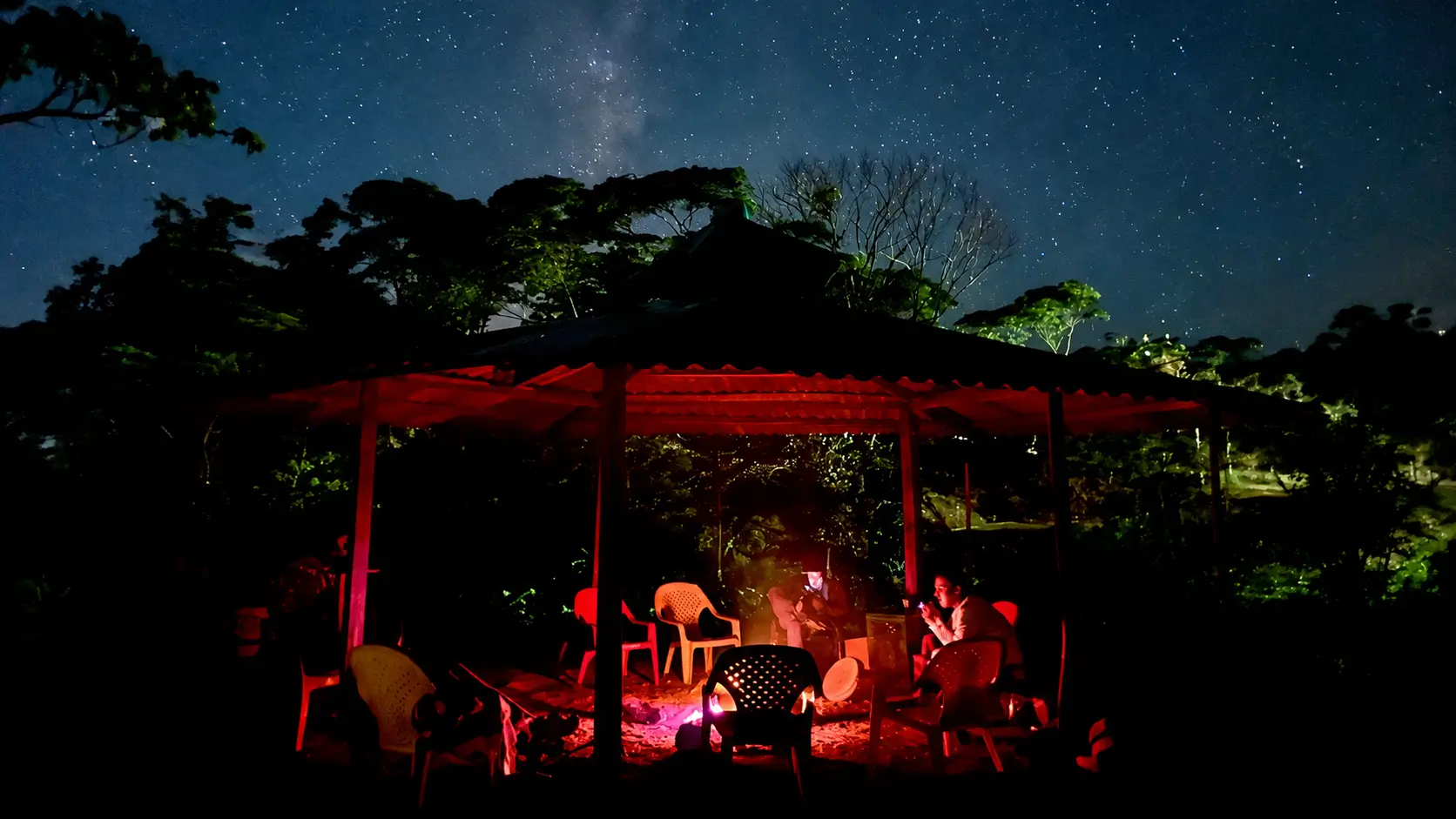
Explore MahaDevi's Medicine Maker Retreat in Putumayo, Colombia, featuring traditional yagé ceremonies, hands-on preparation, and integration support. Learn what to expect, what is included, and what to consider before booking.
There is something about the idea of stepping away from your everyday life for a while that makes you stop and think. Not another holiday where you come home with a camera roll full of photos and a suitcase of laundry, but a few days to slow down, spend time in nature, and give yourself room to sit with whatever life has brought your way.
I've been looking more closely at ayahuasca retreats in Colombia, and one that caught my attention is the Medicine Maker Retreat at MahaDevi in Putumayo. What makes this experience different is that it isn't centred on ceremonies alone. Guests also spend time learning about the preparation of yagé, the traditional plant preparation known more widely as ayahuasca, within the Camsá tradition.
The retreat is led by Taita Miguel Chindoy, a traditional Camsá healer with more than 35 years of experience working with yagé, alongside an integration team that supports guests before and after their stay.
It is a very different kind of retreat from a week of yoga, massages, and poolside relaxation. And because ayahuasca is a powerful psychoactive preparation, it is also the sort of experience that deserves thoughtful research before anyone decides whether it is right for them.
If you've been curious about ayahuasca retreats in Colombia, here's a closer look at what MahaDevi offers, what the experience involves, and what I'd want to understand before considering a retreat like this.
What is an ayahuasca retreat in Colombia?
An ayahuasca retreat is an organised experience in which participants take part in ceremonies involving ayahuasca, a psychoactive plant preparation with longstanding ceremonial and spiritual significance in parts of the Amazon region.
In Colombia, it is also commonly known as yagé. The preparation, traditions, and ways of working with it vary between communities, so it is worth looking beyond the word "ayahuasca" when researching a retreat.
Some people are drawn to these experiences because they are interested in Indigenous traditions or spiritual practice. Others are looking for time to reflect on grief, a difficult life transition, or questions they have been carrying for a long time.
It is important to keep expectations realistic, though. Ayahuasca is not a proven cure for grief, anxiety, depression, or other mental health conditions, and the experience can be physically and psychologically intense.
A retreat's setting, leadership, screening process, and support arrangements all matter. So does taking the time to decide whether participating is an appropriate choice for you.
Why Putumayo is an interesting place to explore yagé traditions
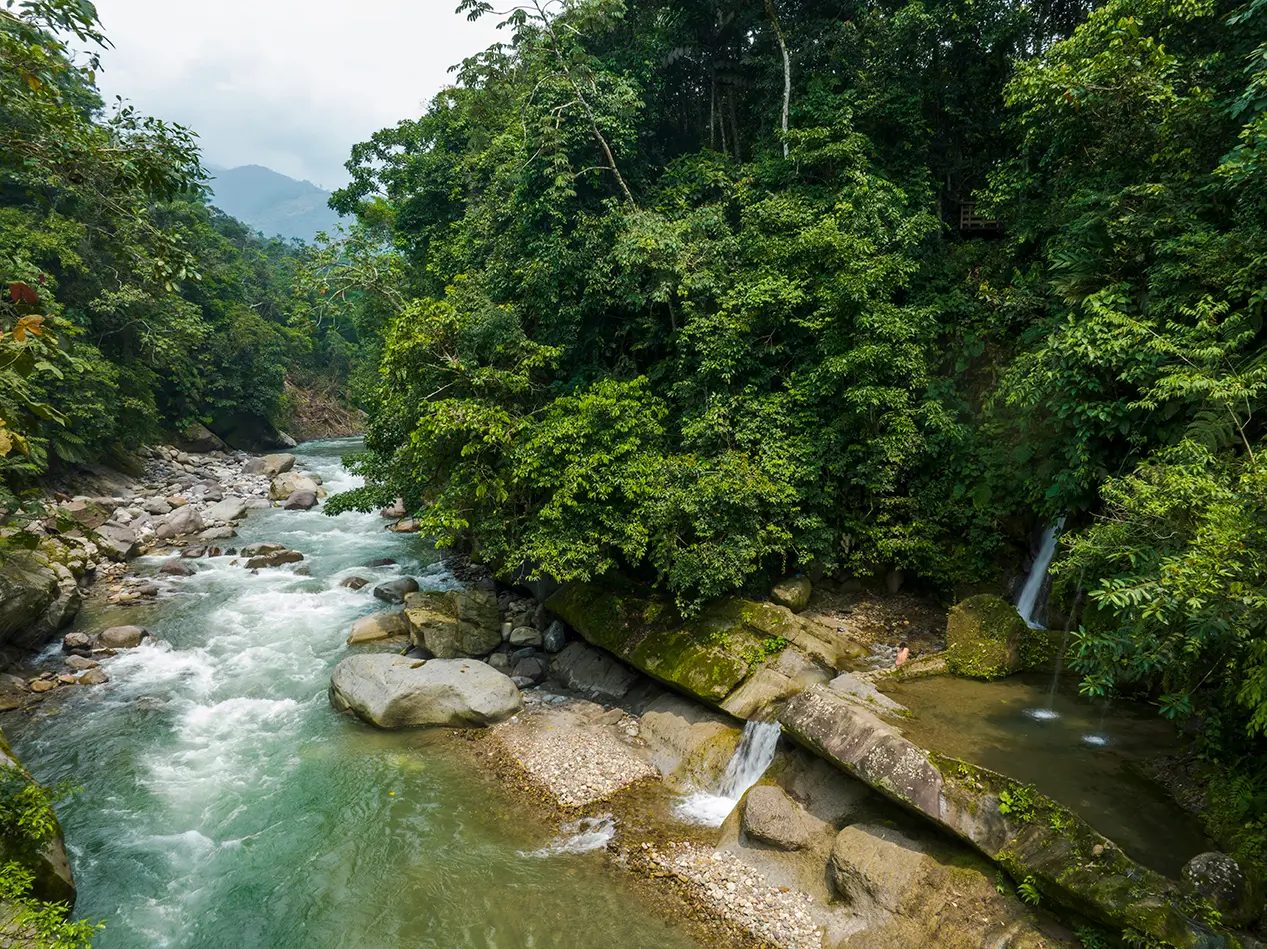
Putumayo lies in southern Colombia, near the country's Amazonian region. It is home to Indigenous communities with longstanding relationships to yagé and other traditional plant practices.
For some visitors, learning about these traditions is part of the appeal of travelling to this part of Colombia. But it is important to remember that these practices are not simply wellness activities created for visitors. They have cultural, spiritual, and community significance that extends well beyond the retreat industry.
That is one reason I think it is worth paying attention to who leads a retreat, the tradition they describe working within, and how they explain their relationship to that tradition.
MahaDevi's Medicine Maker Retreat is based in Putumayo and is led by Taita Miguel Chindoy of the Camsá people. According to the retreat's listing, he has worked with yagé for more than 35 years.
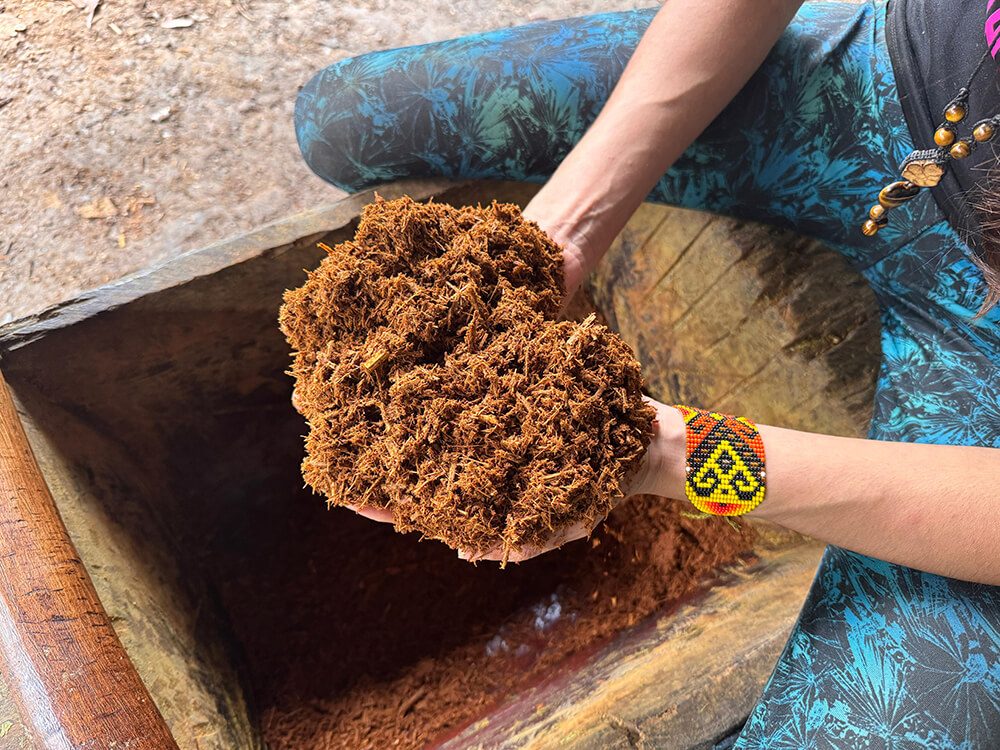
The retreat also includes hands-on preparation of the plant medicine, rather than limiting the experience to attending ceremonies. Guests spend two mornings helping prepare what the listing calls Crudo Ayahuasca, under Taita Miguel's guidance.
For someone interested in understanding more about the traditional context of yagé, this is a detail worth exploring further with the retreat team.
Inside the MahaDevi Medicine Maker Retreat
View the full MahaDevi Medicine Maker Retreat listing
What stands out to me about this retreat is the emphasis on a small group and on support that continues beyond the time spent in Putumayo.
MahaDevi describes itself as a small, family-run retreat rather than a high-volume centre. Its programme brings together traditional ceremonies, practical involvement in medicine preparation, time in nature, and preparation and integration support.
Here is what the current listing says is included.
Retreat detail | What's listed |
|---|---|
Location | Putumayo, Colombia |
Duration | 8 days and 7 nights |
Traditional guidance | Taita Miguel Chindoy, of the Camsá people |
Ayahuasca ceremonies | 3 ceremonies, with an optional fourth daytime Crudo ceremony |
Medicine Maker experience | 2 mornings of hands-on Crudo preparation |
Accommodation | Shared cabin, with private upgrades available |
Meals | All meals, described as locally sourced |
Transfers | Return airport transfers from Mocoa |
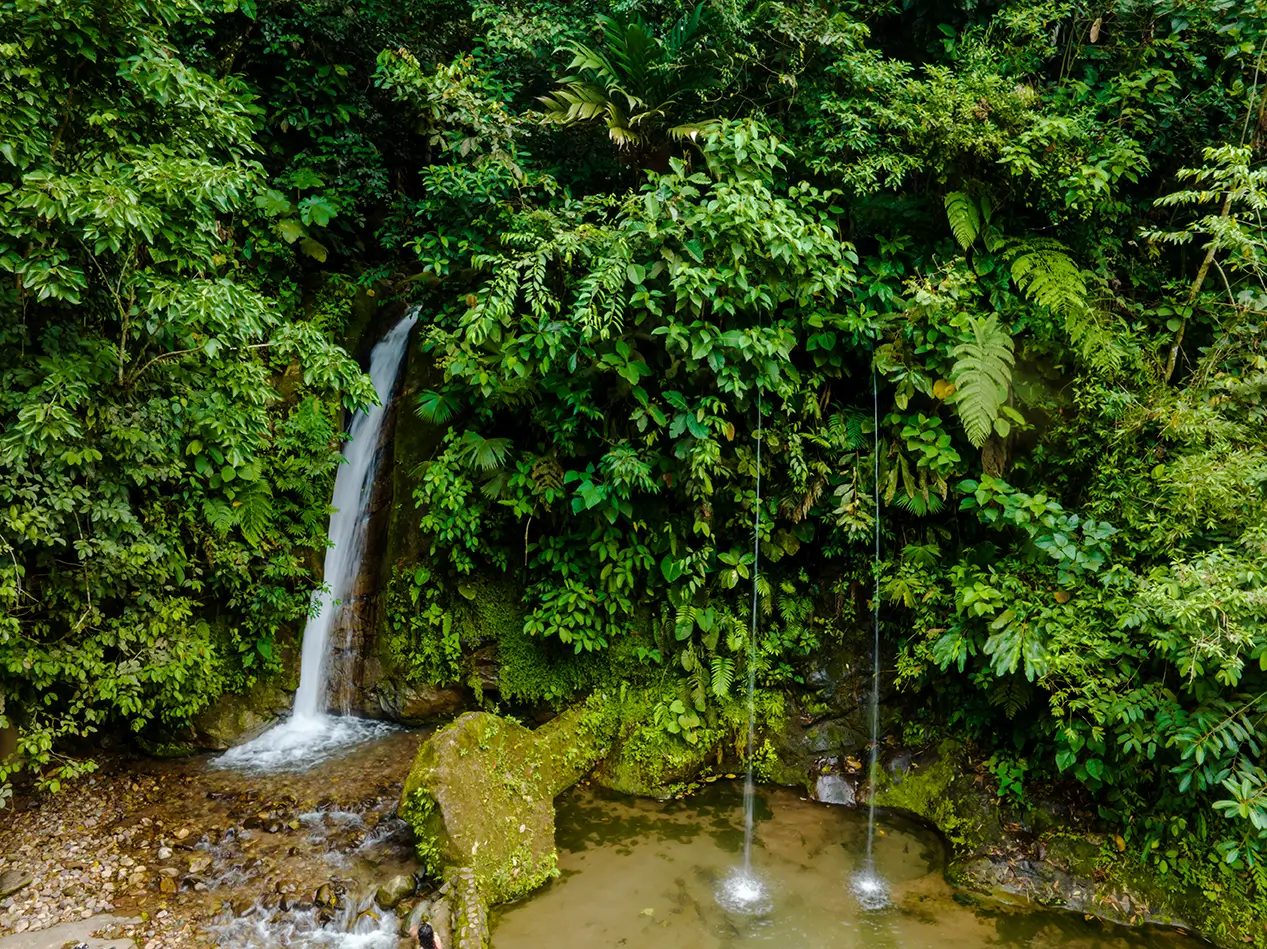
Nature activity | Hike to Fin del Mundo waterfall |
Additional practices | Breathwork, sound healing, and other traditional or ceremonial practices listed by the retreat |
Preparation support | 45 days before the retreat |
Integration support | 90 days after the retreat |
Screening | Medical and psychiatric screening is listed |
Details can change, so check the official retreat page for the current programme, price, availability, and full terms before making a decision.
The Medicine Maker experience
The two mornings spent helping prepare Crudo are one of the more distinctive parts of the programme.
Rather than simply arriving for a ceremony, guests have the opportunity to observe and participate in a preparation process guided by Taita Miguel. The retreat describes this as part of its Camsá lineage and traditional practice.
Anyone considering this experience should feel comfortable asking questions about what participation involves, what the preparation process teaches, and which parts are appropriate for guests to take part in.
It is also worth approaching the experience with respect. Indigenous traditions are living cultural practices, not a guarantee of a particular personal or spiritual outcome.
A small group rather than a large retreat centre
MahaDevi emphasises its small-group format and individual attention during ceremonies.
For some people, a smaller setting may feel more comfortable than a large group. It can also make it easier to ask questions and understand how support is organised.
Still, group size alone doesn't establish whether a retreat is safe or suitable. Before booking, I would want to know the maximum number of participants, how many trained people are present during ceremonies, and what happens if someone experiences a medical or psychological emergency.
These are reasonable questions to ask any retreat provider offering a powerful psychoactive experience.
Support before and after the retreat
Another detail that caught my attention is the length of the preparation and integration periods.
MahaDevi lists 45 days of preparation support before arrival and 90 days of integration support afterwards, alongside access to an online portal.
Integration refers to the process of making sense of an experience after it has happened. For some people, this might mean reflecting on what they experienced, discussing difficult emotions, or thinking carefully about how to approach everyday life afterwards.
It should not be confused with medical treatment or psychotherapy. Anyone who needs mental health care should continue working with an appropriately qualified professional.
It is also worth asking what the advertised support actually involves. Does it include individual sessions, group calls, written resources, or access to a facilitator? Knowing what is included is more useful than relying on the number of days alone.
Who might consider the Medicine Maker Retreat?
The retreat's listing identifies grief and loss, spiritual exploration, anxiety, depression, and reconnecting with a sense of purpose among the reasons people may be interested in attending.
That does not mean ayahuasca is an appropriate choice for everyone experiencing these concerns.
If you are going through a period of change, it is understandable to want some time away to think, reflect, or reconnect with yourself. But there is no single experience that everyone needs to have, and a retreat involving ayahuasca can be challenging rather than comforting.
I would encourage anyone considering MahaDevi to think about what they hope to get from the experience, how they tend to respond to uncertainty or intense emotions, and what support they have available once they return home.
If you are processing a recent bereavement, experiencing significant anxiety, or struggling with your mental health, speak with a qualified healthcare professional before deciding whether this kind of retreat is suitable.
And if you would prefer a retreat focused on rest, gentle movement, nature, or time away from daily responsibilities, that is just as valid a choice.
Is an ayahuasca retreat in Colombia safe?
This is one of the most important questions to ask before considering any ayahuasca retreat.
Ayahuasca can cause intense psychological effects, nausea, vomiting, agitation, and other adverse reactions. Serious complications have also been reported. Its effects can be unpredictable, and the risks may be greater when the preparation's ingredients are uncertain, medical screening is inadequate, or emergency care is difficult to access.
The US Centers for Disease Control and Prevention discusses these risks in its Yellow Book guidance on toxic exposures during travel.
The Australian Government also warns travellers about ayahuasca tourism in Colombia, including the lack of formal licensing or regulation for ceremony providers and the limited emergency arrangements at some facilities. Its Colombia travel advice is worth reading before making travel plans.
MahaDevi lists medical and psychiatric screening as part of its programme. That is a relevant consideration, but it does not remove the risks or independently establish that participation is safe for a particular person.
Before booking, I would ask the retreat team the following questions.
Medical screening: Who reviews the information you provide, and what happens if you are considered unsuitable for participation?
Medication interactions: How are prescription medicines and other substances assessed? Never stop prescribed medication or change a dose to attend a retreat without guidance from the prescribing clinician.
Emergency arrangements: Is trained medical help available, how far away is the nearest suitable medical facility, and how would an emergency evacuation be arranged?
Psychological support: Who is present if a participant becomes severely distressed during or after a ceremony?
Informed consent: Are the possible risks, programme expectations, costs, and cancellation terms explained before payment?
Aftercare: What support is available if someone finds the experience difficult once they have returned home?
Ayahuasca can interact dangerously with certain medications, including some antidepressants and other medicines that affect serotonin. Anyone taking medication, living with a medical condition, or concerned about their mental health should discuss the risks with a qualified healthcare professional before considering participation.
Do not discontinue medication on the advice of a retreat provider alone.
Is ayahuasca legal in Colombia?
The legal position requires some nuance.
The Australian Government's travel advice states that yagé is not illegal in Colombia, but its consumption is not regulated. That does not mean every ceremony, commercial retreat, or associated activity is automatically lawful or subject to consistent safety standards.
The cultural context matters, too. Traditional Indigenous use and commercial retreat tourism are not necessarily treated in the same way.
If you are travelling specifically to attend a ceremony, check current official guidance and ask the provider about the legal arrangements relevant to its activities. You should also review your travel insurance policy, since coverage for incidents involving psychoactive substances may be restricted or excluded.
For the latest travel information, consult the Australian Government's Colombia advice and the Government of Canada's Colombia travel advice.
How much does the MahaDevi Medicine Maker Retreat cost?
Verified Retreats' existing article has listed the Medicine Maker Retreat from US$2,200. This should be treated as a previously published starting price, not a confirmed current quote.
Check the MahaDevi retreat listing for the latest price and ask the team to confirm what is included before paying a deposit.
When comparing the cost with other retreats, look beyond the headline figure. It is worth confirming:
Whether the quoted price covers all seven nights and meals.
Whether airport transfers are included and which transport arrangements you need to make yourself.
Whether private accommodation costs extra.
Whether every advertised activity is included in the price.
Whether preparation and integration support have any additional fees.
What the payment schedule, refund policy, and cancellation terms are.
International flights, travel insurance, and any additional nights before or after the programme may need to be budgeted for separately.
I would also ask whether there are any circumstances in which the retreat might recommend that a participant not attend, and what the refund policy would be in that situation.
What should you know before travelling to Putumayo?
Putumayo is not a destination where I would plan the journey around the retreat dates alone. Allow time to understand the travel arrangements, organise insurance, and confirm exactly where you need to arrive.
The listing mentions return transfers from Mocoa, so ask the team to confirm the meeting point, transfer schedule, and what happens if your flight or connecting transport is delayed.
Before travelling, I would also:
Check your government's current travel advice for the specific region.
Confirm that your travel insurance covers your planned activities and any relevant medical expenses.
Ask about internet and phone access at the retreat, particularly for emergencies.
Share your itinerary with someone you trust.
Confirm what to pack and whether there are any dietary or accessibility considerations.
Keep copies of your booking confirmation, insurance details, and emergency contacts.
These practical details may not be the most exciting part of planning a retreat, but they can make a real difference to how prepared you feel.
How MahaDevi compares with other wellness retreats
Not everyone who wants a meaningful break is looking for an ayahuasca ceremony. It is worth being honest about that.
The Medicine Maker Retreat is a specific kind of experience involving traditional plant medicine, ceremony, and integration. If that does not feel right for you, you can still find a retreat that gives you time to step away from your usual routine.
If you are exploring different possibilities, you may find these Verified Retreats guides useful:
Women's healing retreats worth exploring looks at experiences designed around different personal challenges and life transitions.
Women's yoga retreats offers another direction if you are more interested in movement, relaxation, and time for yourself.
Women's retreats in Spain is worth a look if you are drawn to a European setting rather than travelling to the Colombian Amazon region.
There is no need to choose the most intense experience simply because it sounds meaningful. The right retreat is one that suits your circumstances, your needs, and your comfort level.
My thoughts on the MahaDevi Medicine Maker Retreat
What makes this retreat interesting to explore is the combination of its stated Camsá cultural context, the hands-on medicine preparation, its small-group format, and the preparation and integration support described in the listing.
Those details give prospective guests concrete questions to ask, rather than asking them to make a decision based on beautiful photographs or promises of personal change.
At the same time, an ayahuasca retreat is a serious commitment. The experience can be intense, and no retreat can promise a particular emotional, spiritual, or health outcome. Anyone considering it should take time to understand the risks, ask direct questions, and seek independent medical advice where appropriate.
If MahaDevi sounds like something you would like to explore further, start with the full retreat details on Verified Retreats. Read the programme carefully, confirm the current dates and price, and make sure you have enough information to decide whether it is right for you.
Sometimes the most useful thing you can do before choosing a retreat is give yourself permission to ask questions and take your time.
A note before you decide: This article is for general information and is not medical or legal advice. Ayahuasca can carry significant health risks, including potentially dangerous medication interactions. Speak with a qualified healthcare professional about your individual circumstances before considering participation.
Frequently asked
What is the MahaDevi Medicine Maker Retreat?
The MahaDevi Medicine Maker Retreat is an eight-day, seven-night retreat in Putumayo, Colombia. According to its listing, the programme includes yagé ceremonies guided by Taita Miguel Chindoy, hands-on medicine preparation, meals, shared accommodation, selected activities, and preparation and integration support.
Where is the MahaDevi ayahuasca retreat located?
The retreat is located in Putumayo, in southern Colombia. Its listing includes return airport transfers from Mocoa. Contact the retreat team to confirm the exact arrival arrangements and travel instructions.
What is the difference between ayahuasca and yagé?
Ayahuasca is a widely used name for a psychoactive plant preparation associated with Amazonian traditions. Yagé is a name commonly used in Colombia. Ingredients, preparation methods, and ceremonial practices can vary, so the terms should not be taken to mean that every preparation or tradition is identical.
Is ayahuasca safe for beginners?
Being new to ayahuasca does not remove the potential risks. The preparation can cause intense psychological and physical effects and can interact dangerously with certain medications. Anyone considering participation should seek appropriate medical advice, undergo proper screening, and understand the retreat's emergency arrangements. A provider's screening process cannot guarantee safety.
Does the retreat offer support after the ceremonies?
The MahaDevi listing includes 90 days of post-retreat integration support, as well as preparation support before arrival. Ask the team what this support involves, how it is delivered, and whether any parts of it carry additional costs.
Can ayahuasca help with grief or anxiety?
Some people seek ayahuasca experiences while dealing with grief, anxiety, or major life changes, but the available evidence does not establish ayahuasca as a reliable treatment for these conditions. It can also cause serious adverse effects. Anyone experiencing significant emotional or mental health difficulties should discuss their options with a qualified healthcare professional rather than treating a retreat as a substitute for care.