Burnout Recovery Retreats for Women, and Why Vacation Isn't the Fix 2026
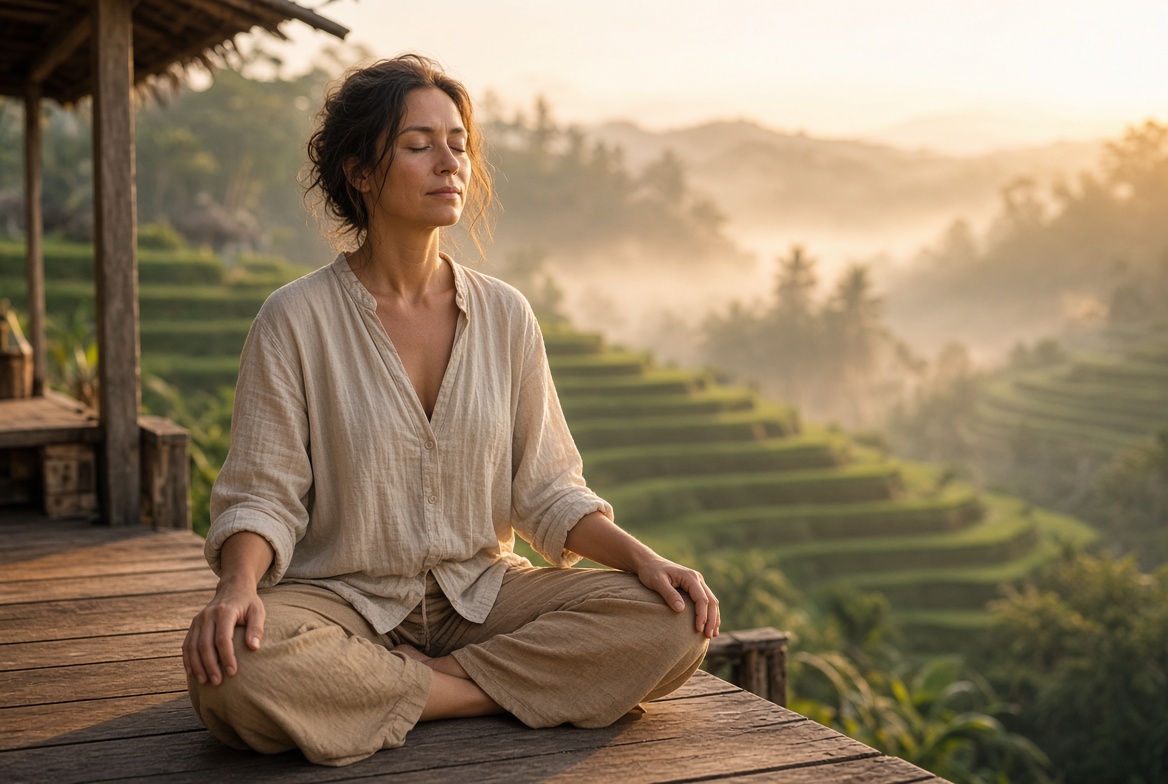
Vacations wear off within a week, but real burnout recovery works differently. This guide breaks down what actually changes in your brain and body during a retreat, the 3 real clinical types of burnout, and how to know if a retreat is the right fix for you.
Why does burnout come back a few days after you're back at work?
You know this pattern. You take real time off. You sleep in, you switch your phone off, you actually rest. By the second or third day back at work, the tension is already creeping back into your shoulders. By week two, it's like the vacation never happened.
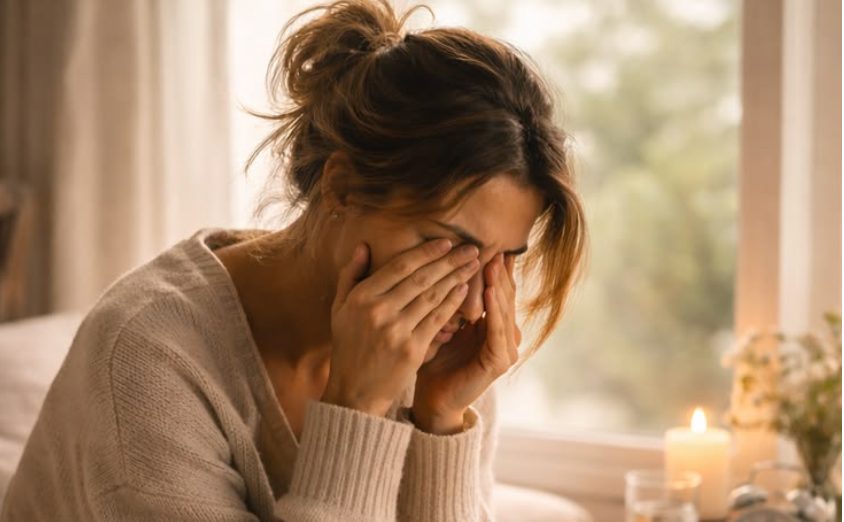
This isn't a willpower problem, and it isn't in your head. A large meta-analysis published in European Psychologist looked at how vacation affects well-being and found something blunt: the improvements in stress and exhaustion from a vacation mostly disappear within the first week back at work. Vacation removes you from the stressor for a while. It doesn't change how your nervous system responds to that stressor once you're back in front of it.
That distinction, removing the stress versus retraining your response to it, is the whole reason a retreat and a vacation aren't the same tool for the same job.
Browse verified burnout recovery retreats →
What's the actual difference between stress and burnout?
Stress and burnout get used interchangeably, but they're different experiences with different fixes.
Stress is having too much to do. You feel overloaded, wired, and under pressure, but the work usually still means something to you.
Burnout is what happens when that pressure runs long enough that the meaning drains out of it too. You feel drained even when nothing dramatic is happening. Work that used to matter starts to feel pointless.
The World Health Organization made this distinction official in 2019, when it added burnout to the ICD-11 as an occupational phenomenon. Their definition describes three specific dimensions:
Energy depletion or exhaustion. Rest stops working the way it used to. You wake up tired even after a full night's sleep.
Increased mental distance from your work, along with feelings of cynicism or negativity about it.
Reduced professional efficacy. Tasks that used to be easy start requiring far more effort, and small mistakes start to feel bigger than they are.
Worth noting: the WHO is careful to say burnout applies specifically to the occupational context, and it isn't classified as a medical condition on its own. If what you're feeling includes ongoing hopelessness, panic, or thoughts of self-harm, that's a conversation for a doctor or therapist, not a retreat.
What actually happens in your brain during burnout?
This part isn't guesswork anymore, there's real imaging research behind it.

One of the best-known studies here is from a team at Massachusetts General Hospital, led by Harvard neuroscientist Sara Lazar. They put people with no meditation experience through an eight-week mindfulness program and scanned their brains before and after. The results, published in Psychiatry Research: Neuroimaging, showed measurable increases in gray matter in areas tied to memory and self-awareness, along with a shrinking of the amygdala, the brain's threat-detection center, in participants who reported feeling less stressed.
That's the mechanism worth understanding: your amygdala is supposed to switch on during real danger and switch back off once it passes. Under chronic burnout, it tends to stay switched on, which is why a normal email can trigger a genuine stress response. The Harvard research is one of the clearer demonstrations that this pattern can measurably shift, but it took about eight weeks of consistent practice to show up on a scan, not a single day off.
That's also why a retreat works better as a starting point than an endpoint. It gives you an intensive reset and teaches you the tools (breathwork, somatic practices, guided reflection) that actually create this kind of change. What makes the difference afterward is whether you keep practicing.
Read what the weeks after a retreat actually look like →
Why do women experience burnout more than men right now?
This isn't an equal-opportunity problem. According to Lean In and McKinsey's 2025 Women in the Workplace report, the largest study of its kind, six in ten senior-level women say they frequently feel burned out, compared to about half of men at the same level. Among women newer to leadership roles, that number climbs even higher.
If you're in a senior or client-facing role and feel like you're holding more than your title accounts for, the data backs up what you're noticing. This isn't a personal failure to cope better.
What are the 3 real types of burnout?
Burnout doesn't look the same on everyone, and the research backs that up too. A model developed by researcher Jesús Montero-Marín and published in BMC Public Health identifies three distinct burnout subtypes, based on how people respond to pressure rather than just how tired they feel.
Subtype | What it feels like | Common pattern |
|---|---|---|
Frenetic | Overloaded, but still pushing harder | Working long hours, taking on more instead of less, driven by ambition or fear of falling behind |
Under-challenged | Bored, flat, disconnected from meaning | The work feels repetitive or pointless, even if the workload itself is manageable |
Worn-out | Neglected, given up, running on empty | Reduced effort, low motivation, a sense that nothing you do changes the outcome |
Most women recognize themselves in a mix of two, but usually one is dominant. That matters, because the frenetic subtype often needs to learn how to actually stop, while the worn-out subtype often needs the opposite: re-engagement and a reason to care again. A retreat built for burnout in general can miss this. One built with your specific pattern in mind won't.
How do you know if a burnout retreat is actually right for you?
A retreat isn't the answer for everyone, and it's worth being honest about that before you book one.
It's probably a good fit if:
You've felt burned out for 6 months or more, and rest on its own hasn't shifted it
Weekends and normal sleep don't restore you the way they used to
You're noticing emotional numbness or distance from people or work you used to care about
You're open to trying something outside of a normal weekly therapy format
You're willing to keep practicing what you learn once you're home, not just during the retreat itself
It's probably not the right first step if:
You're in crisis or having thoughts of self-harm. Please reach out to a licensed professional or a crisis line instead.
You're hoping a week away will fix a job or situation that actually needs to change, not just your response to it.
You're not willing to do anything differently once you're back. The retreat interrupts the pattern. What you do in the weeks after is what makes it stick.
Where do women actually go for a burnout recovery retreat?
Location matters more than people expect, both for the experience and, honestly, for how easy it is to fully switch off. Some of the most requested settings for burnout-focused retreats right now include quiet countryside settings in Portugal, coastal Italy, and the Moroccan desert, places chosen specifically because there's very little to do except the retreat itself.
If you want to see what a retreat built around exactly this kind of reset actually looks like, Permission to Pause and Wild and Well: Reclaiming the Woman You Left Behind are two verified options built specifically around this kind of recovery.
Not sure which retreat is right for you?
You already know what it feels like to research something exhausting while exhausted. That's exactly the part we try to take off your hands.
Fill out this short form and we'll match you with 2-3 retreats based on your specific situation, budget, and burnout pattern, within 12 hours. It's free, and every retreat we recommend has already been through our verification process, so you're not doing the vetting yourself on top of everything else.
A note on this guide: this article is educational, not medical advice. If you're dealing with an acute mental health crisis, please speak with a licensed professional or local emergency services.
Frequently asked
What's the actual difference between stress and burnout?
Stress is having too much to handle while the work still feels meaningful. Burnout is what happens after that pressure continues long enough that the meaning disappears too, leaving you exhausted, detached, and less effective even when the workload hasn't changed.
How long does it actually take to recover from burnout?
There's no single fixed number, but research on mindfulness-based interventions shows measurable brain changes after about eight weeks of consistent practice. Most women notice an initial shift within days of a retreat, with the deeper, lasting changes building over the following two to three months of continued practice.
Do wellness retreats actually help with burnout, or are they just a nicer version of a vacation?
They work differently. A vacation removes you from the stressor temporarily, but research shows those benefits usually fade within the first week back at work. A retreat focuses on teaching your nervous system a different response to stress, through practices you keep using afterward, which is what makes the change more likely to last.
What should I actually look for when choosing a burnout recovery retreat?
Look for one that names a specific approach (somatic work, breathwork, therapy-informed practice) rather than a vague "relax and recharge" pitch, has verified, qualified facilitators, and includes some kind of post-retreat support or structure, since what you do in the weeks after matters as much as the retreat itself.
Can a short retreat, like a long weekend, still help, or do I need a full week?
A shorter retreat can absolutely help you interrupt the cycle and learn real tools, but the deeper nervous-system changes tend to depend more on what you keep practicing afterward than on the exact length of the retreat itself. A weekend that teaches you something you'll actually keep doing can outperform a longer retreat that doesn't.