After the reset: what going deeper looks like
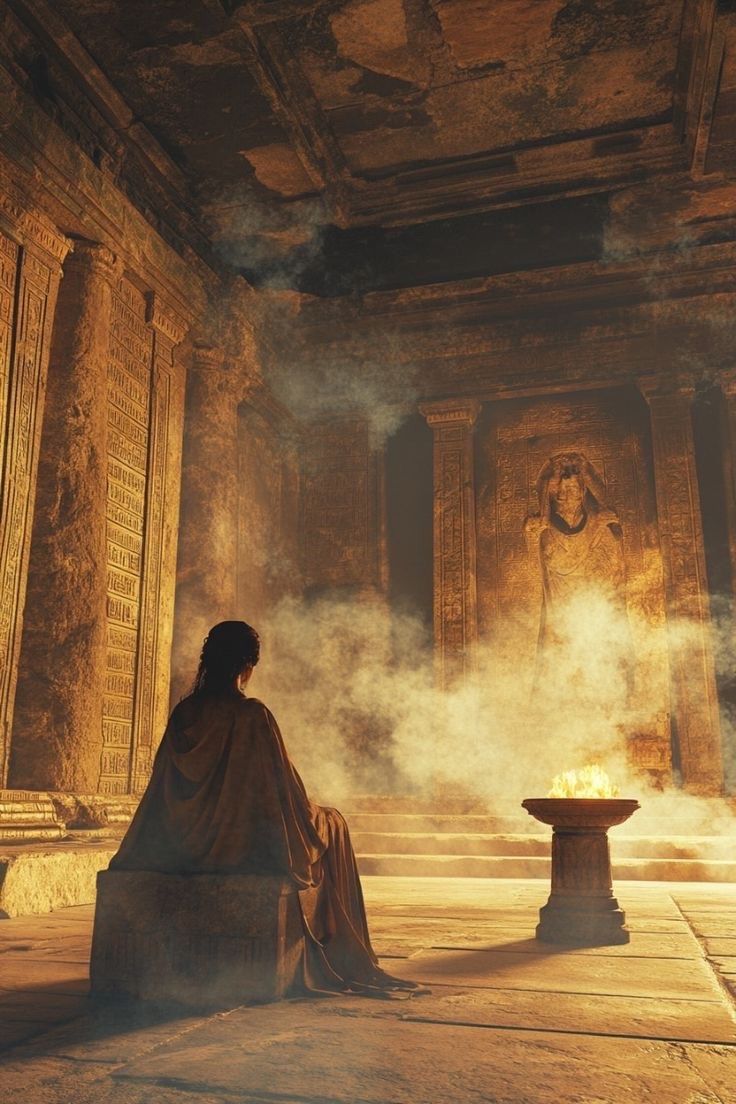
As a founder of Verified Retreats, I've read through hundreds of retreat applications, and almost nobody writes "I'm looking for enlightenment." What they actually write is smaller and more honest than that. "I don't feel like myself anymore." "I don't know what I need, I just know I need to breathe." Most of the time, they think they're asking for a holiday. And most of the time, they are. But every so often, underneath a request for a nice week away, there's a much older question that the woman writing it hasn't quite named yet.
I want to talk about that second group, because I don't think the wellness industry tells this story honestly. The usual version goes something like: you arrive burned out, you have a breakthrough under a waterfall, you come home a different person. It makes for a nice Instagram caption. It's just not what actually happens to most of the women I've spoken with.
That's the distinction I think gets missed constantly, and it's an important one. A good retreat isn't in the business of transformation. It's in the business of removing interference long enough for you to hear something that was already there, underneath the emails and the school run and the version of yourself you perform for everyone else. That's a much more modest promise than "change your life." It also happens to be a much truer one.
And it explains why rest sometimes leads somewhere unexpected. The first couple of days on any good retreat are usually just logistics for the body — sleeping properly, eating without rushing, remembering what it feels like not to be responsible for anyone else for a few hours. But somewhere around day three or four, for some women, something shifts. Not because the retreat planted a new question in her. Because for the first time in a long while, there was enough quiet for a question that was already there to actually be heard.
I notice this most in women in their thirties, forties, and fifties, which is most of who books through us. It's rarely about wanting more excitement — that's more of a twenties instinct, chasing new experiences to see what fits. By the time a woman is in her forties, what she's usually circling is closer to congruence: not "what should I try next," but "how do I stop living in a way that doesn't actually feel like me anymore." That's a different question, and it deserves a different kind of answer than another exciting week away.
If that's the question, we're not the ones to answer it — and I think that's worth saying plainly.
We know retreats. We know how to tell a week that will genuinely rest you from one that photographs beautifully and falls apart once you arrive. And we've learned who to trust for the step beyond that, the one that goes past rest and into practice.
When a woman tells us she's past resetting and wants to go further, we send her to EasyDharma. They work entirely at that deeper end of the path. They start with the question most people skip: not where do you want to go, but who are you as a seeker. Their TruPath assessment is a short, quietly personal reflection that maps that out before anyone mentions a destination. From there they match you to a real spiritual space in India, chosen to fit how you're actually made rather than whatever ranks best online, and they stay with you on both sides of the trip: preparing you before you go so you arrive ready, and helping you make sense of it once you're home, which is the part most people are otherwise left to do alone.
Asking first instead of guessing sounds like a small thing. It's usually the part that goes wrong when it's missing.
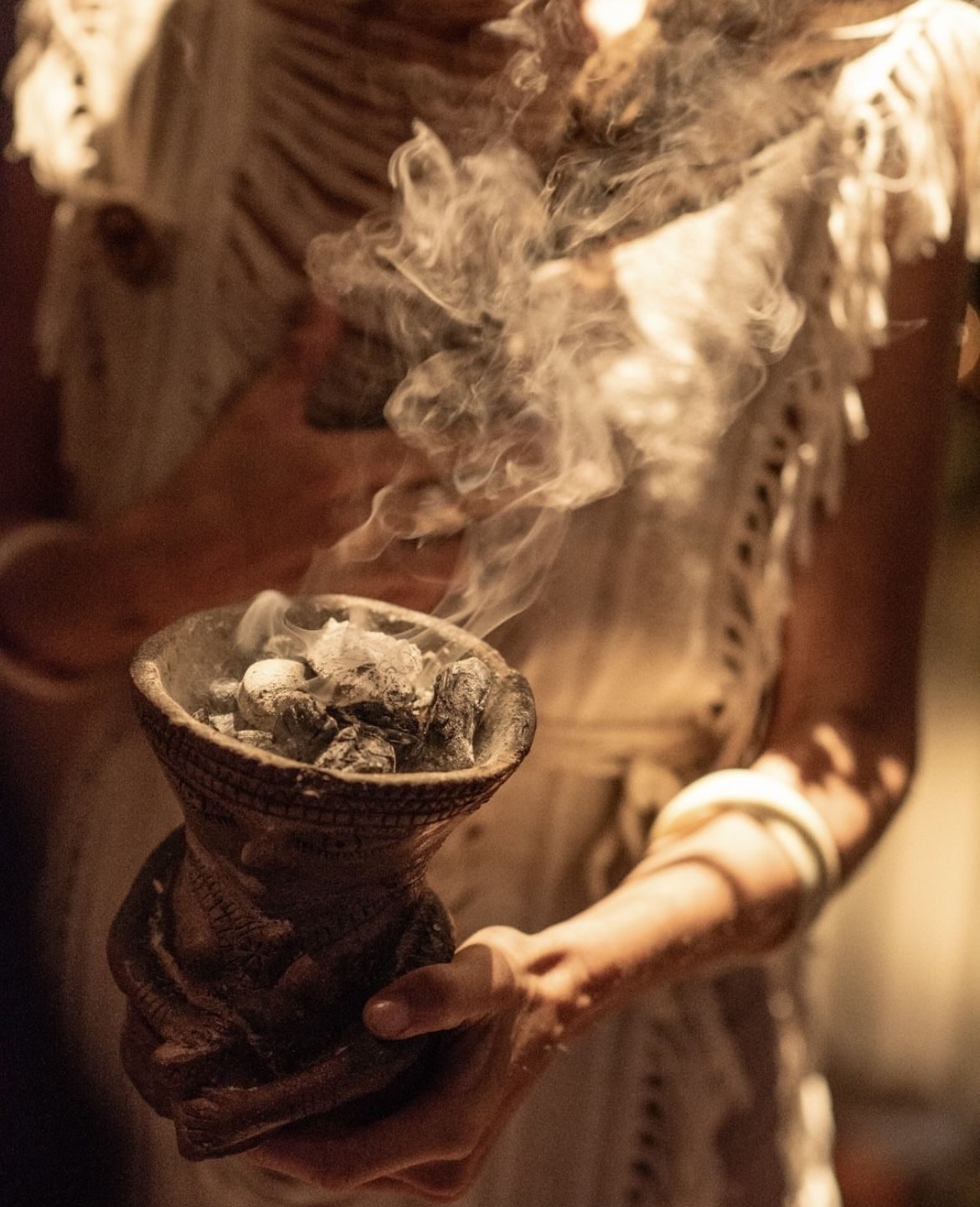
There's a strange pressure in wellness culture to act immediately on anything that feels meaningful. Have a moment of clarity, and the instinct is to do something dramatic with it right away — quit the job, book the flight, sign up for the teacher training. Most of the time, that instinct is wrong. Depth doesn't usually ask for speed. It asks for honesty. Sometimes the braver thing isn't overhauling your whole life the week after a retreat. It's admitting that a real question has shown up, and being willing to sit with it a while before you decide what it's actually asking of you.
About the author
Ania Donich is the founder of Verified Retreats, a platform helping women find retreats they can genuinely trust. There was a period in her life when she felt like something had to change, and she started traveling alone to figure out what — which is how she first discovered how hard it is to tell a truly good retreat from one that just has great marketing.
That gap became Verified Retreats. Ania still reviews retreats personally, using one question as her test: would I feel comfortable sending someone I love here? She doesn't think a retreat needs to change your life to be worth it. Sometimes a week of real rest is enough on its own. Sometimes it's the start of something much bigger.