7 Ayahuasca Retreats in Peru to Research in 2027: A Detailed Guide
Looking into an ayahuasca retreat in Peru? Here is an UNBIASED guide to seven established centres to research, what their programmes include, how their prices compare, and what to investigate before making a decision.
Choosing an ayahuasca retreat in Peru is not like choosing a yoga retreat or booking a wellness weekend. The experience, the setting, the people leading the ceremonies and the level of support available can vary considerably from one centre to another.
Some centres focus on traditional Shipibo plant medicine practices in the Amazon. Others combine Indigenous traditions with contemporary wellness activities, psychological support or medical oversight. Some offer short introductory programmes, while others specialise in longer stays and master plant dietas.
And while beautiful rainforest accommodation and impressive testimonials can make a retreat look appealing, they tell you very little about the questions that matter most: who will be responsible for you during a ceremony, how participants are screened, what happens in an emergency, and what support is available afterwards.
I'm Ania Donich, founder of Verified Retreats. I review approximately 200 retreats every month, looking beyond the photographs and marketing to understand what an experience actually offers. For this guide, I've focused on seven Peruvian centres with publicly available programme information worth investigating.
An important note before we begin: this is an editorial comparison of publicly available information, not a medical recommendation or a certification of any centre. Details attributed to a centre are identified as its published claims, not independent findings.
A quick comparison of seven ayahuasca retreat centres in Peru
The centres below offer different formats, locations and programme structures. Prices are the amounts published by the operators when this article was researched on November 10, 2026. They can change, and readers should confirm the total cost and availability directly before making any payment.
Retreat centre | Location | Published programme | Published price (USD) | Group size |
|---|---|---|---|---|
Temple of the Way of Light | Amazon, near Iquitos | 8 days / 4 ceremonies | $3,330 | Not confirmed here |
Caya Shobo | Near Iquitos | 5 days / 12 days | $1,650 / $2,970+ | Maximum 12 |
Dreamglade | Near Iquitos | 5 nights to 2 weeks | Quote required | Maximum 10 |
Hummingbird Healing Center | Near Iquitos | 7 days / 9 days / 12 days | $2,000 / $2,400 / $2,800 | Maximum 10 |
Etnikas | Cusco / Sacred Valley | 3, 5 and 7-day options | Confirm directly | Maximum 18 per ceremony |
Arkana International | Amazon, near Iquitos | 7 days / 14 days | $2,520–$4,500 / $4,680–$8,320 | Average 14, maximum 25 |
Nihue Rao | Near Iquitos | 7 days / 11–21 days | $1,600 / $2,100+ | Confirm directly |
Important: programme lengths are not always expressed in the same way. Some operators publish calendar days, others nights. Prices may depend on room type, dates and accommodation. The number of ceremonies is not a measure of quality or safety.
1. Temple of the Way of Light
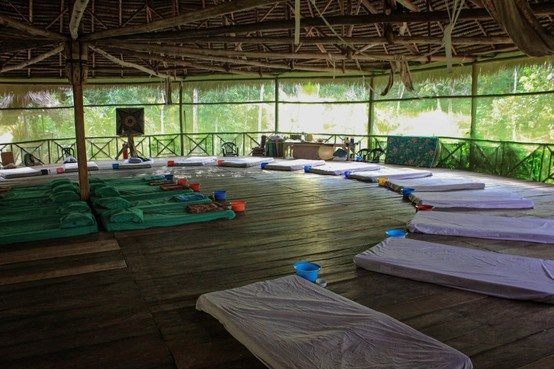
Location: Peruvian Amazon, near Iquitos
Published programme: 8 or 12 days
Published price: $3,330 for 8 days; $4,440 for 12 days
Published ceremonies: 4 in the 8-day programme; 6 in the 12-day programme
Official website: templeofthewayoflight.org
Temple of the Way of Light is one of the more established names in the Peruvian ayahuasca retreat landscape. Its programmes are centred on traditional Shipibo plant-spirit healing, with additional support activities including yoga, individual and group sessions, and self-inquiry.
The centre's standard 12-day Living in Alignment programme includes six ceremonies. It also offers an eight-day programme with four ceremonies, giving prospective participants different programme lengths to consider.
One feature worth investigating is its integration offering. The centre publishes information about a separate five-day integration extension, which can be added to its 12-day programme. This is relevant because the support available after ceremonies is an important part of understanding what a retreat actually provides.
Who may want to look into it?
People researching a structured, longer-format Amazon retreat with a clearly described programme and an established integration offering may want to investigate this centre.
What to clarify before booking
Ask for the current maximum group size, the number and roles of people present during ceremonies, the qualifications and availability of medical support, and the precise scope of its integration programme. Also ask what emergency transport arrangements are in place and how far the centre is from appropriate medical facilities.
2. Caya Shobo
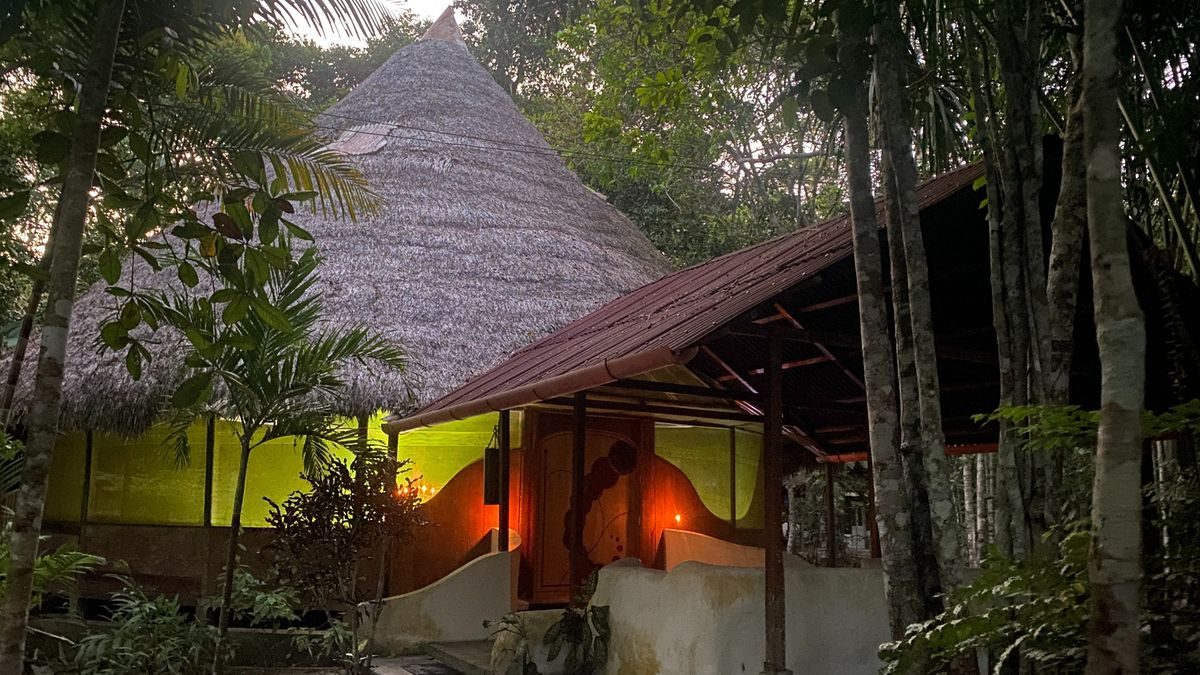
Location: Near Iquitos, Peruvian Amazon
Published programme: 5-day and 12-day retreats
Published price: From $1,650 for five days; from $2,970 for 12 days
Published group size: Maximum 12 guests
Official website: cayashobo.com
Caya Shobo focuses on Shipibo plant medicine practices and offers both shorter retreats and longer programmes incorporating a master plant dieta.
Its published 2027 calendar provides a useful level of practical detail. For example, the January 11–16, 2027 five-day programme lists a standard room with a private bathroom at $1,650 and a jungle tambo with a shared bathroom at $1,770.
The January 11–23, 2027 12-day programme starts at $2,970 for a standard room, with higher prices for other accommodation categories.
The centre identifies the healers involved in its listed programmes, including Maestro Arturo Izquierdo Valles, Maestra Lucinda Mahua Campos and Maestro Walter Martinez Guimaray.
What makes it worth researching?
Caya Shobo also describes an endorsement relationship with Coshikox, the Shipibo-Konibo-Xetebo Tribal Council. This is a claim worth exploring directly, including asking what the endorsement covers and whether it applies to the particular programme and practitioners being considered.
Who may want to look into it?
Someone researching a centre with a clearly described Shipibo-focused programme, named practitioners and both shorter and longer stay options may find Caya Shobo worth investigating.
What to clarify before booking
Ask how the five-day and 12-day programmes differ beyond duration, what the master plant dieta involves, who is present during ceremonies, and what medical and emergency arrangements are available. Ask for the full terms of the cultural endorsement rather than treating a statement on a website as independent confirmation.
Also check whether the published price includes transfers, meals, all accommodation costs and any additional fees.
3. Dreamglade
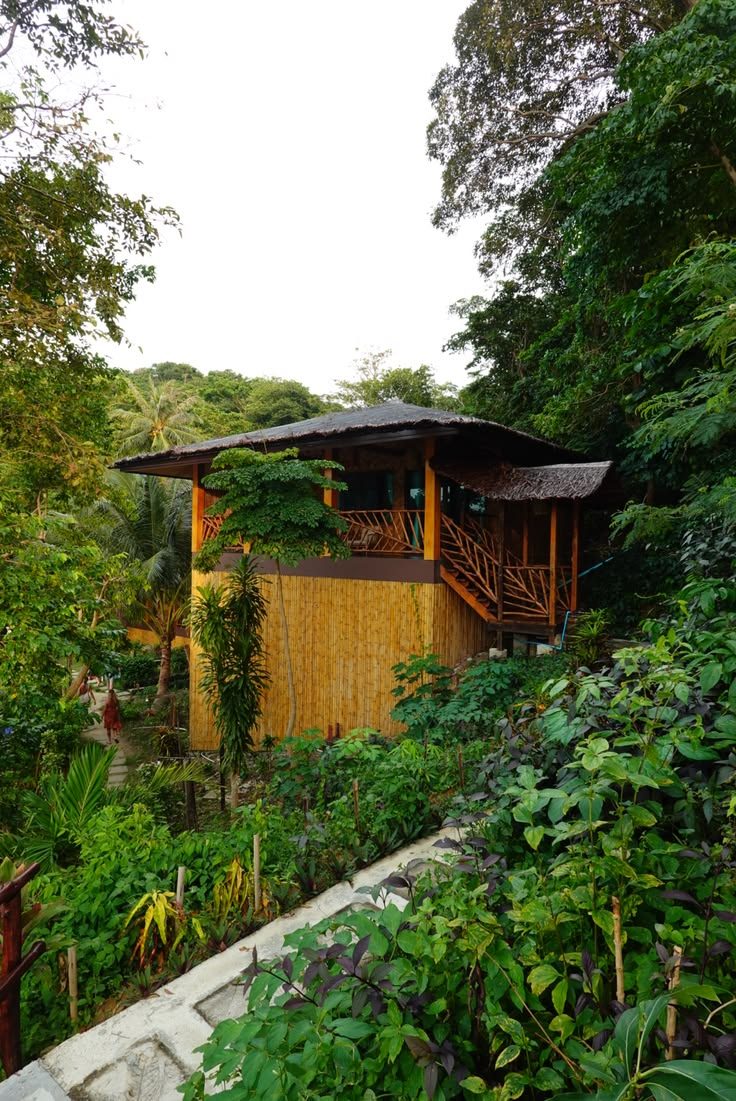
Location: Near Iquitos, Peruvian Amazon
Published programme: 5 nights to 2 weeks
Published group size: Maximum 10 guests
Published price: Not publicly confirmed
Official website: dreamglade.com
Dreamglade describes itself as a small-group retreat in the Peruvian Amazon, with a lakeside setting across approximately 25 hectares of rainforest.
Its ceremonies are described as Shipibo-led, with Maestra Dominga and Maestro Raúl identified as the ceremonial leaders. The centre also names Wade and Clarisa as the people managing the property and Paul as its application and integration support contact.
The published schedule describes ceremonies on Mondays, Wednesdays and Fridays, generally lasting five to six hours. The centre also describes quieter days between ceremonies, with time for rest, plant baths and other activities.
One detail I appreciate from a consumer-information perspective is that Dreamglade explicitly says its published date windows are inquiry periods, not guaranteed availability. It asks prospective guests to verify dates and spaces directly.
What makes it worth researching?
The centre publishes a maximum group size, names its ceremonial leaders and explains the general rhythm of a stay. It also describes a personal application process rather than simply inviting people to book immediately.
Its safety and preparation page is worth reading in full before making any decision.
Who may want to look into it?
People who are comparing smaller-group Amazon retreats and want to understand the daily structure, accommodation setting and people involved may want to research Dreamglade.
What to clarify before booking
The centre does not publish a clear programme price in the information reviewed for this article. Ask for a complete written quote for the exact dates and length of stay, including accommodation, transfers, meals and any additional services.
Also clarify the roles and qualifications of the ceremony support team, what the screening process involves, and the details of its emergency response arrangements. A small group can make an experience feel more personal, but group size alone does not establish safety.
4. Hummingbird Healing Center
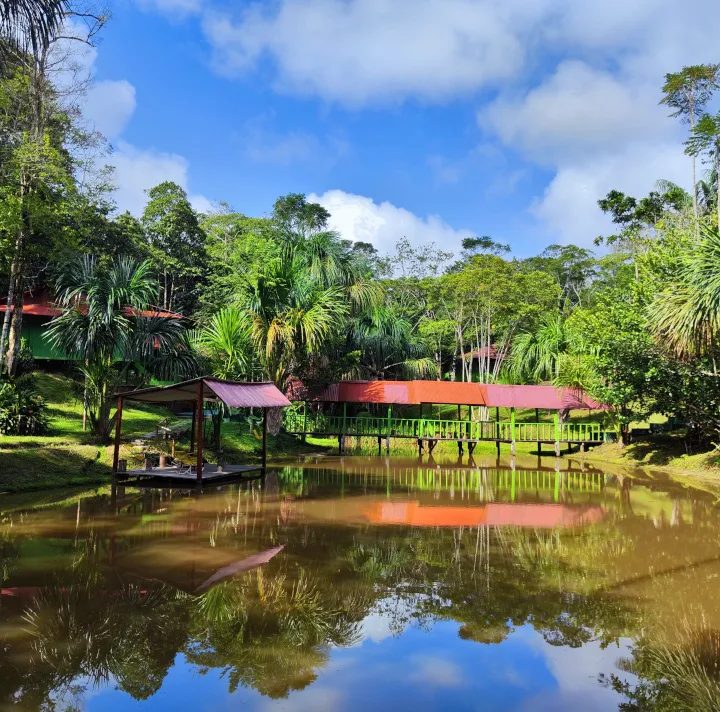
Location: Varillal, approximately 14 km from Iquitos
Published programme: 7, 9 and 12 days; longer immersion options
Published price: $2,000, $2,400 and $2,800 respectively
Published group size: Maximum 10 guests
Official website: hummingbirdhealingcenter.org
Hummingbird Healing Center is a family-run centre that describes its work as part of the Mestizo Amazonian tradition.
Its website identifies Don Manain Amacifen as the ceremonial leader and describes him as a fourth-generation Peruvian curandero. The centre's founder, Jim Davis, is also identified as a lead facilitator.
The published programmes vary in length and structure:
The seven-day programme is listed at $2,000 and includes three ayahuasca ceremonies and one Huachuma ceremony.
The nine-day programme is listed at $2,400 and includes four ayahuasca ceremonies and one Huachuma ceremony.
The 12-day programme is listed at $2,800 and includes six ayahuasca ceremonies and one Huachuma ceremony.
Longer immersion programmes are advertised at $3,800–$4,800.
The centre also describes meditation, breathwork, plant baths and other activities as part of its programmes.
What to clarify before booking
One important detail is that the programmes include Huachuma, also known as San Pedro. This is a separate psychoactive plant preparation, not simply another name for ayahuasca.
Ask whether participation in each additional substance is optional, what happens if someone does not wish to participate, and how the centre screens for risks associated with each component.
The centre also makes a claim that it has not experienced an ayahuasca-related medical incident since opening in 2010. This is an operator-reported statement, not an independently audited safety record. Ask what records and incident definitions support it.
5. Etnikas
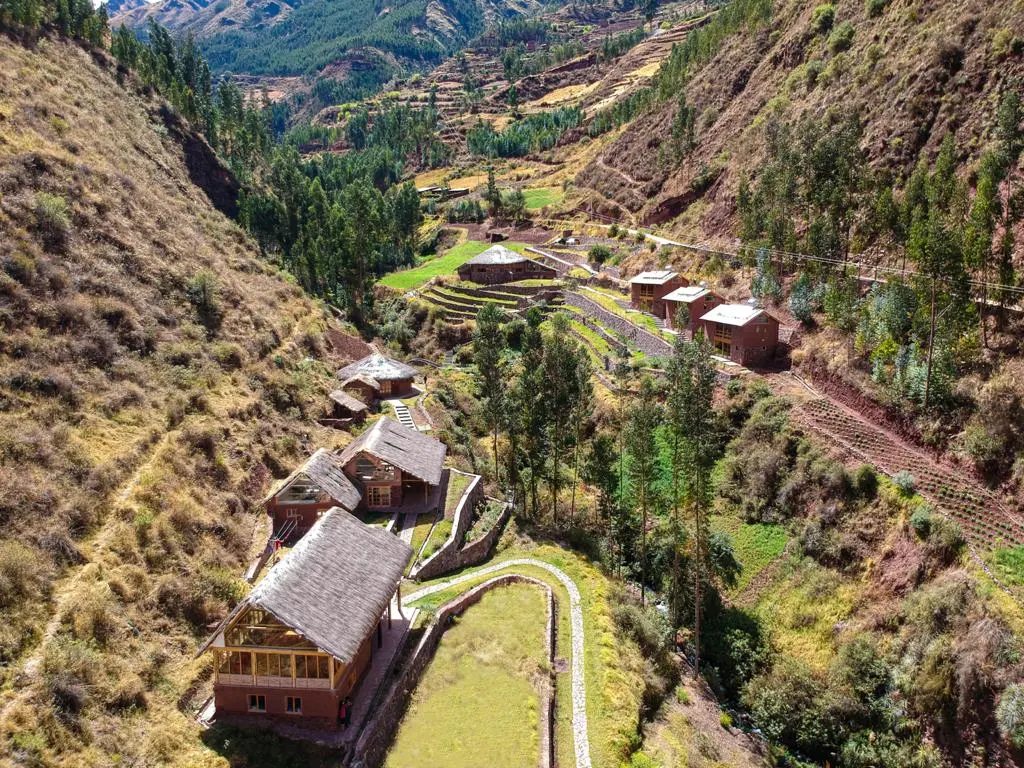
Location: Sacred Valley / Cusco region
Published programme: 3, 5 and 7-day options, with additional Amazon programmes
Published price: Confirm directly
Published group size: Maximum 18 people per ceremony
Official website: etnikas.com
Etnikas is worth including because it offers a different setting from the rainforest centres around Iquitos.
Based in the Cusco region, its published programmes combine Indigenous Andean and Amazonian healing traditions. Its website describes ceremonies involving Q'ero and Shipibo healers, alongside a multidisciplinary medical team.
The centre publishes a detailed safety-protocol page. It says its team includes a cardiologist, psychiatrist, psychologist, general practitioner and emergency nurse. It also describes a doctor being present during ceremonies, emergency equipment, staff training and access to local clinics.
These are important claims to examine because medical support is often described very vaguely in retreat marketing.
What makes it worth researching?
Etnikas provides more detailed public information about its stated medical and emergency arrangements than many centres. It is also one of the options to investigate if the reader is comparing a Sacred Valley setting rather than a remote Amazon location.
What to clarify before booking
The distinction between a professional being part of a medical network and being physically present throughout a programme is important. Ask which medical professionals are actually on site, when they are available, what emergency equipment is present and which local clinic or hospital the centre uses.
There is also a particularly important point about medication. Etnikas publishes broad medication restrictions and washout guidance. Do not follow a retreat operator's medication instructions independently. Anyone taking prescribed medication must discuss potential interactions and any possible changes with their own prescribing clinician. Never stop or alter medication simply to qualify for a retreat.
6. Arkana International
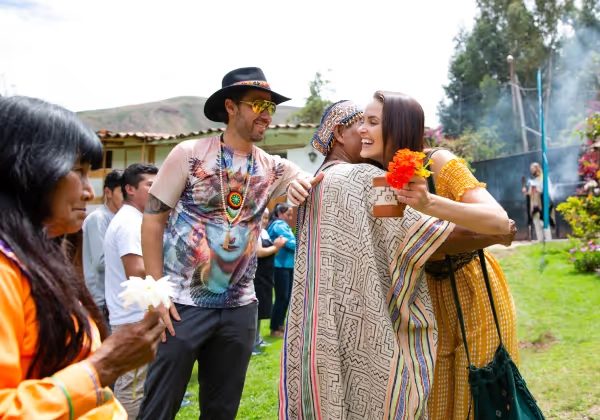
Location: Amazon, near Iquitos
Published programme: 7, 14 and 21 days
Published price: From $2,520 for seven days; from $4,680 for 14 days
Published group size: Average 14, maximum 25 guests for the Amazon programme
Official website: arkanainternational.com
Arkana is a larger retreat operator with programmes in both the Amazon and the Sacred Valley.
Its Amazon programme combines ayahuasca ceremonies with other activities, including yoga, breathwork, sound healing and jungle excursions. The seven-day programme is listed at $2,520–$4,500 and includes four ayahuasca ceremonies and one Hapé ceremony.
The 14-day programme is listed at $4,680–$8,320 and includes eight ayahuasca ceremonies and two Hapé ceremonies.
Accommodation, meals, selected transport within Iquitos, consultations with shamans and other activities are listed among the inclusions. Bufo is advertised as an optional extra.
The centre publishes an average Amazon group size of 14, with a maximum of 25 guests.
Who may want to look into it?
People comparing larger, more structured retreat operations with a broader range of activities may want to investigate Arkana.
What to clarify before booking
The group size deserves particular attention. Ask how many people are present in each ceremony, how many sober facilitators are on duty, what their responsibilities are and whether the staffing arrangement changes with the number of participants.
Also ask which activities involve additional psychoactive substances, which are optional, and whether declining them affects the programme or price.
The centre lists Bufo as an optional extra. This is not a minor add-on: it involves a different psychoactive substance and has its own risks. It should not be treated as a routine upgrade to an ayahuasca retreat.
7. Nihue Rao
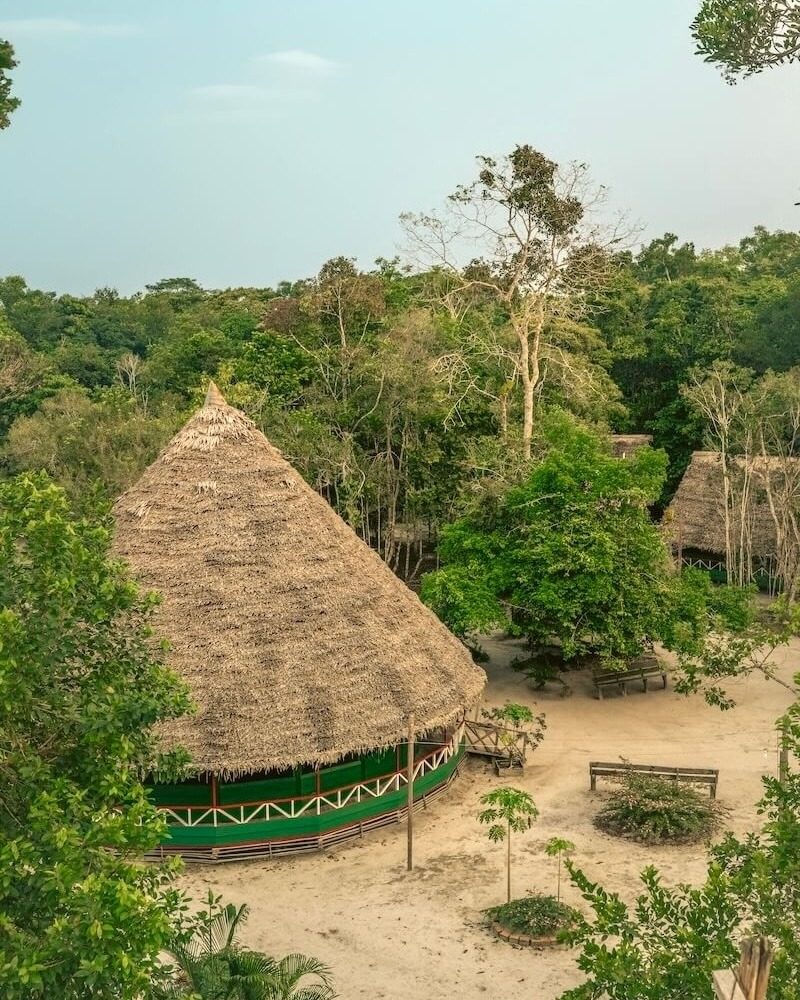
Location: Peruvian Amazon, near Iquitos
Published programme: 7 days, 11–21 days and longer stays
Published price: $1,600 for seven days; $2,100 for 11 days
Published ceremonies: Four in the seven-day programme; six to twelve across the 11–21-day options
Official website: nihuerao.com
Nihue Rao describes its work as traditional Shipibo plant medicine practice, guided by Maestro Ricardo Amaringo and his family.
Its programme structure is notably different from centres offering fixed weekly group retreats. The centre publishes shorter healing retreats as well as longer stays involving master plant dietas.
The seven-day programme is listed at $1,600 and includes four ceremonies. The 11-day option is listed at $2,100, with longer 14- and 21-day options at $2,600 and $3,400 respectively.
The centre says its retreats include an individual room or tambo, full-board dietary meals, flower baths, an individual meeting with Maestro Ricardo, integration conversations and 24-hour support.
It also offers longer one- to two-month programmes and learning retreats.
Who may want to look into it?
People researching a traditional Shipibo-focused centre with longer-stay options may want to examine Nihue Rao's programme structure and the practical requirements of its longer dietas.
What to clarify before booking
Ask exactly what the 24-hour support includes, who provides it and whether it refers to general assistance or medical supervision.
Also clarify the daily structure of a longer dieta, the level of isolation involved, the dietary restrictions and what support is available after leaving the centre. The centre's own website describes some longer programmes as intended for experienced participants, so do not assume that a longer stay is a better starting point.
How much does an ayahuasca retreat in Peru cost?
Published prices vary substantially. A pricing snapshot from Peyote.com, dated September 28, 2026, found published programmes ranging from $850 to $6,850, with a median price of $2,950 across 26 programmes at ten centres.
That is useful market context, but it is not a universal price range or a measure of quality. The sample only includes programmes with published prices.
The seven centres in this guide also show why a simple price comparison can be misleading.
A five-day programme with shared bathroom facilities is not directly comparable with a 12-day programme that includes private accommodation, more activities and a different level of staffing.
A higher price does not automatically mean better practitioners, stronger safeguarding or more appropriate medical support. Equally, a low price should not be the only reason to choose a centre.
How to choose an ayahuasca retreat in Peru: 9 questions to ask
The most important part of choosing a centre is not the number of ceremonies or how impressive the property looks. It is understanding who is responsible for participants and what procedures are in place.
I would ask every centre the following questions before considering a booking.
1. Who actually leads the ceremonies?
Ask for the names of the people leading the ceremonies, their roles and their background.
If a centre describes its programme as Shipibo-led, ask who the Shipibo practitioners are, what their role is and how the centre works with them. Do not assume that a Western founder or retreat facilitator is the person leading the traditional practice.
2. What does the medical screening involve?
A questionnaire is a starting point, not necessarily a complete assessment.
Ask who reviews the information, whether a qualified medical professional is involved, how medication interactions are handled and what happens if someone is considered unsuitable.
Do not conceal medical information to secure a booking.
3. What happens if a participant has a medical emergency?
Ask whether trained medical personnel are physically present, what emergency equipment is available, how the centre contacts emergency services and where participants would be taken.
If the centre is remote, ask how evacuation works and how long transport to an appropriate medical facility normally takes.
4. Who is sober and available during ceremonies?
Ask how many staff members are present, whether they remain sober, what their responsibilities are and how they respond when someone needs assistance.
A centre's advertised staff-to-guest ratio is useful only when you understand who those staff members are and what they are trained to do.
5. What safeguarding policies are in place?
Ask how the centre protects participant boundaries, handles complaints and responds to inappropriate behaviour.
For people travelling alone, it is reasonable to ask whether there is a female staff member available, whether accommodation is private, and how participants can raise concerns confidentially.
6. What substances are included?
Some programmes combine ayahuasca with Huachuma, Hapé, Bufo or other substances.
Ask what each activity involves, whether participation is optional and whether the screening process accounts for every substance offered.
More substances do not automatically make a retreat more valuable.
7. What happens after the retreat?
Ask whether integration is included, who provides it, whether it is individual or group-based and whether support continues after you return home.
A single closing conversation is different from an ongoing integration programme.
8. What is the centre's relationship with local communities?
If a centre uses Indigenous traditions in its marketing, ask how it works with the practitioners and communities whose knowledge it draws on.
Find out how practitioners are compensated, whether their roles are acknowledged and whether the centre can explain the cultural context of its ceremonies.
9. Can you read the complete booking terms before paying?
Ask for the cancellation policy, refund conditions, payment schedule, travel requirements and a complete list of inclusions.
Do not rely on verbal assurances when the details affect your safety, finances or ability to leave.
Is ayahuasca safe? What you should understand before travelling to Peru
This deserves its own section because the way ayahuasca is marketed online can create an impression that a traditional setting automatically makes the experience safe.
It does not.
Ayahuasca contains psychoactive compounds, including DMT and beta-carbolines. Its effects can include nausea, vomiting, changes in blood pressure and heart rate, anxiety, confusion and intense psychological experiences.
There are also potentially serious medication interactions. A scientific review published in CNS Spectrums discusses the pharmacology and safety of ayahuasca, including potential interactions involving monoamine oxidase inhibition and serotonergic medications. Some interactions may contribute to serotonin toxicity, which can be life-threatening.
Anyone considering participation should discuss the risks with a qualified medical professional who knows their medical history and current medications. A retreat centre's screening process is not a substitute for independent medical advice.
Do not stop, reduce or change prescribed medication to attend a retreat unless your prescribing clinician has specifically advised you to do so. A centre should never pressure someone into changing medication or concealing a health condition.
There is also a significant travel-safety consideration.
The US Department of State advises US citizens not to consume ayahuasca or kambo in Peru. Its travel guidance reports serious illness and deaths, as well as sexual assault, injury and robbery involving travellers under the influence. It specifically warns that some incidents occur in remote areas far from modern medical facilities.
The Peruvian government recognises traditional Indigenous knowledge and uses of ayahuasca as cultural heritage. That recognition should not be confused with a licensing or safety certification system for commercial retreat centres.
This is why I would never describe a retreat as safe simply because it has a beautiful property, a long operating history or hundreds of positive reviews.
Understanding the cultural context of ayahuasca in Peru
Ayahuasca has a long history of use among Indigenous communities in parts of the Amazon. It is not a wellness trend that began when international travellers started visiting Peru.
Different communities have their own traditions, knowledge systems, ceremonial practices and relationships with medicinal plants.
The Shipibo-Konibo people, for example, have a distinctive tradition of plant medicine and ceremonial singing. Icaros are often described as sacred songs within these practices, but their meaning is much more specific than simply calling them “healing music.”
As international interest in ayahuasca has grown, so has the commercial retreat industry. Some centres work closely with Indigenous practitioners; others combine traditional practices with Western wellness activities and tourism infrastructure.
There is nothing inherently wrong with a retreat combining different approaches, but the distinction should be transparent.
When a centre uses words such as “authentic,” “ancestral” or “Indigenous-led,” ask what those terms actually mean in practice.
A respectful retreat should be able to explain who leads the ceremonies, where the knowledge comes from, how practitioners are involved and how the centre supports the communities whose traditions it draws upon.
What makes a retreat worth the money?
After reviewing hundreds of retreat programmes, one thing I have learned is that the price and the quality of an experience are not the same thing.
A beautiful property, a long itinerary and an impressive website can make a retreat look exceptional. But none of those things automatically tells you whether the people responsible for the experience are qualified, whether the programme is well managed or whether participants are properly supported.
With ayahuasca retreats, I would put even more weight on the things that are less visible in the photographs.
I would want to understand:
Who is responsible for the participant experience.
Whether the practitioners' roles and backgrounds are transparent.
Whether the centre has a meaningful screening process.
Whether emergency procedures are clearly explained.
Whether participants' boundaries are respected.
Whether integration is more than a marketing phrase.
Whether the price and inclusions are communicated honestly.
I would also want to see a centre acknowledge what it cannot provide. No retreat operator can guarantee a particular psychological experience or promise that someone will leave transformed.
In this category, transparency is not a bonus. It is the starting point.
Final thoughts
Peru has a wide range of ayahuasca retreat centres, from small properties with limited group sizes to larger operators offering extensive programmes and multiple activities.
The seven centres in this guide illustrate how different those experiences can be. But no comparison table can tell you whether a particular experience is medically appropriate, and no list of positive reviews can guarantee how a centre will respond when something goes wrong.
Take time to investigate the people, procedures, programme and full cost. Ask difficult questions before paying. Be cautious of promises of guaranteed healing or pressure to make a quick decision.
At Verified Retreats, our approach has always been to look beyond the photographs and ask whether an experience is genuinely worth recommending. For ayahuasca retreats, that means being especially careful about what has been confirmed, what comes directly from an operator and what remains unknown.
An informed decision is more important than finding a retreat that promises the most extraordinary experience.
Looking for a retreat that's been properly vetted? At Verified Retreats, we review retreat organisers, programmes, credentials and other important details before recommending experiences to our community. You can explore our verified retreat collection if you'd prefer to start with retreats that have gone through our review process.
Frequently asked
How much does an ayahuasca retreat in Peru cost?
Published prices vary considerably. The seven centres reviewed here list programmes from $1,600 to more than $4,000, depending on duration, accommodation and programme structure. A broader September 2026 market snapshot found prices from $850 to $6,850 across 26 published programmes. Always request a full quote before booking.
How long should an ayahuasca retreat last?
There is no universally appropriate duration. The centres in this guide advertise programmes ranging from five days to several weeks. Longer programmes may include additional plant dietas and other activities, but a longer stay is not automatically better or safer.
Are ayahuasca retreats in Peru regulated?
Peru recognises traditional Indigenous knowledge and uses of ayahuasca as cultural heritage. However, that recognition should not be interpreted as a guarantee that commercial retreat centres are licensed, inspected or independently certified for medical safety. Check current local legal requirements and do not confuse cultural recognition with operator accreditation.
Can you attend an ayahuasca retreat alone?
Some centres accept individual applications, and their programmes may include solo international travellers. However, attending alone does not establish that a centre is suitable or safe for you. Ask about accommodation, staff availability, safeguarding policies, emergency procedures and how to raise concerns.
Are ayahuasca retreats suitable for first-time participants?
A centre may advertise a programme as suitable for first-time visitors, but that does not establish medical or psychological suitability. Ayahuasca has potentially serious risks and medication interactions. Anyone considering participation should seek independent medical advice rather than relying on a retreat operator's description.
What is the difference between ayahuasca and Huachuma?
Ayahuasca and Huachuma, also known as San Pedro, are different psychoactive plant preparations with different compounds, effects and risks. Some retreat programmes include both. Ask exactly what is offered and do not assume that a programme involving several substances is automatically more comprehensive.
What should I look for in an ayahuasca retreat's safety policy?
Look for specific information about health screening, medication review, qualified personnel, sober ceremony support, emergency response, transport to medical facilities, safeguarding and integration. Vague statements such as “your safety is our priority” are not a substitute for clear procedures.